Nothing beats the taste of a home-cooked meal. Traditional and home-style recipes bring warmth, comfort, and nostalgia to the table, connecting us to family, culture, and timeless flavors. These recipes emphasize fresh ingredients, balanced flavors, and cooking techniques passed down through generations, making every bite wholesome and satisfying.
This guide explores the benefits of traditional cooking, essential techniques, and a variety of easy-to-follow home-style recipes that anyone can make in their kitchen.
Why Traditional & Home-Style Cooking Matters
Traditional recipes aren’t just about taste—they carry culture, nutrition, and memories:
-
Comfort and familiarity: Classic recipes bring a sense of home and family.
-
Balanced nutrition: Home-style meals often combine protein, grains, and vegetables.
-
Affordable and practical: These dishes use simple, seasonal ingredients.
-
Cultural heritage: Recipes passed down preserve culinary traditions.
-
Encourages cooking skills: Techniques like stewing, roasting, and braising teach essential kitchen skills.
Home-style cooking fosters connection and promotes healthy eating in a natural way.
1. Essential Tips for Home-Style Cooking


-
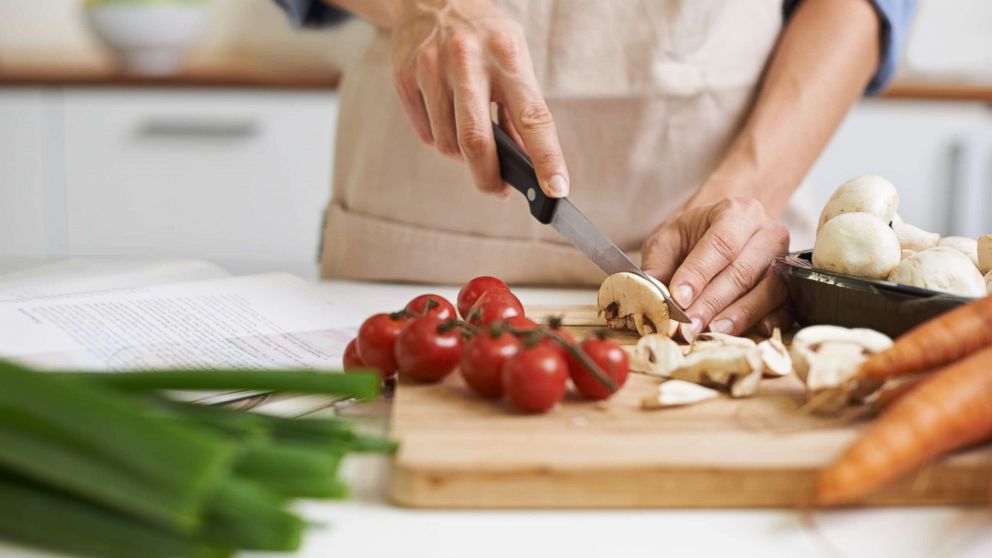
Use fresh ingredients: Seasonal vegetables, fresh herbs, and quality proteins elevate flavors naturally.
-
Layer flavors: Sauté onions, garlic, and spices to create a rich base.
-
Cook slowly for depth: Stews, soups, and roasts benefit from gentle, slow cooking.
-
Repurpose leftovers creatively: Leftover meat or vegetables can transform into soups, stir-fries, or casseroles.
-
Keep it simple: Many home-style recipes use 5–10 ingredients but deliver incredible flavor.
These tips make traditional cooking approachable, even for beginners.
2. Classic Breakfast Recipes
2.1 Home-Style Porridge
Ingredients: Rolled oats or semolina, milk or water, a pinch of salt, sugar or honey, and cinnamon.
Instructions: Cook oats or semolina in milk or water, stirring until creamy. Top with honey and cinnamon.
2.2 Vegetable Paratha (Flatbread)
Ingredients: Whole wheat flour, grated vegetables (carrot, spinach), salt, and oil.
Instructions: Knead dough, stuff with vegetables, roll into flatbreads, and cook on a hot skillet with minimal oil.
2.3 Classic Scrambled Eggs with Toast
Ingredients: Eggs, milk, butter, salt, and pepper.
Instructions: Beat eggs with milk, cook gently in butter, and serve with toasted bread.
3. Traditional Lunch Recipes
3.1 Chicken Stew
Ingredients: Chicken pieces, potatoes, carrots, onions, garlic, broth, and herbs.
Instructions: Sauté onions and garlic, add chicken, vegetables, and broth. Simmer until tender. Serve with rice or bread.
3.2 Lentil & Vegetable Curry
Ingredients: Lentils, spinach, tomatoes, onion, garlic, and spices.
Instructions: Cook onions and garlic, add spices, lentils, and vegetables. Simmer until lentils are soft.
3.3 Classic Rice & Beans
Ingredients: Rice, kidney beans, onions, garlic, bell peppers, and spices.
Instructions: Sauté onions, garlic, and peppers, add beans and rice, cook with water or broth until tender.
4. Hearty Dinner Recipes
4.1 Oven-Roasted Chicken with Vegetables
Ingredients: Whole chicken or pieces, potatoes, carrots, olive oil, salt, pepper, and rosemary.
Instructions: Season chicken and vegetables, roast at 400°F (200°C) for 30–40 minutes until golden brown.
4.2 Beef or Vegetable Stew
Ingredients: Beef chunks or vegetables, onions, carrots, potatoes, broth, and seasonings.
Instructions: Brown meat or sauté vegetables, add broth, and simmer for 1–2 hours for tender, flavorful results.
4.3 Homemade Pasta with Tomato Sauce
Ingredients: Pasta, canned or fresh tomatoes, garlic, olive oil, and basil.
Instructions: Cook pasta, prepare sauce by sautéing garlic and tomatoes, combine, and serve with fresh herbs or cheese.
5. Traditional Sides and Snacks
-
Mashed Potatoes: Creamy and buttery, perfect with meats or stews.
-
Roasted Seasonal Vegetables: Simple, oven-roasted carrots, squash, or bell peppers with olive oil and herbs.
-
Homemade Bread or Flatbread: Freshly baked bread enhances any meal.
-
Soup of the Day: Use leftover vegetables and herbs for a comforting starter.
6. Preserving Home-Style Flavors
-
Use homemade stocks or broths: Adds depth and nutrition to soups and stews.
-
Fresh herbs at the end: Basil, parsley, or coriander brighten flavors.
-
Slow cooking: Enhances tenderness and allows flavors to meld naturally.
-
Season gradually: Taste as you go to avoid over-seasoning.
Small techniques preserve traditional flavors while keeping cooking manageable.
7. Tips for Efficient Home Cooking
-
Batch cook staples: Rice, beans, and sauces can be stored for multiple meals.
-
Prep vegetables ahead: Chopped onions, carrots, and celery save time.
-
Use versatile ingredients: Potatoes, carrots, onions, and tomatoes appear in multiple recipes.
-
Minimal cleanup: Cook in one pot or pan whenever possible.
-
Freeze for convenience: Soups, stews, and cooked meats freeze well for later.
Frequently Asked Questions (FAQs)
1. Are home-style recipes healthier than restaurant meals?
Yes. You control ingredients, portions, and cooking methods, often resulting in more nutritious meals.
2. Can traditional recipes be quick?
Absolutely. Many classic dishes, like lentil soups or vegetable stir-fries, are simple and fast with prepped ingredients.
3. How do I store home-cooked meals?
Refrigerate leftovers in airtight containers for 3–4 days or freeze for longer storage.
4. Can I make traditional recipes budget-friendly?
Yes. Use seasonal vegetables, legumes, and affordable proteins like chicken thighs, eggs, or beans.
5. How do I preserve flavor when reheating?
Reheat gently on low heat or in the oven, adding a splash of water, broth, or oil to maintain moisture and taste.
Conclusion: Bring Comfort and Flavor Home
Traditional and home-style recipes offer more than just meals—they bring family together, celebrate culture, and provide nourishment for the body and soul. By using fresh, seasonal ingredients and simple cooking techniques, anyone can create wholesome, flavorful dishes that feel like home.
Start with easy recipes like stews, roasts, and simple curries, gradually exploring more complex dishes. With practice, your kitchen will become a space where comfort, taste, and tradition come alive in every meal.