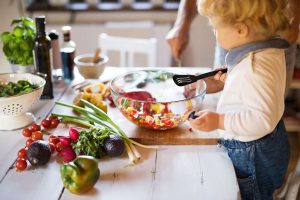
Cooking at home can seem intimidating for beginners. The sight of a messy kitchen, confusing recipes, and unfamiliar ingredients often discourages many from trying. However, with a few simple cooking tips, anyone can start creating delicious meals without stress. Whether you’re a college student, a busy professional, or someone who simply wants to improve your kitchen skills, these beginner-friendly tips will help you gain confidence and enjoy cooking.
Start With Basic Kitchen Tools
Having the right tools can make cooking much easier. You don’t need every gadget, but a few essentials will go a long way.
Must-Have Tools for Beginners
-
Good Knife: A sharp chef’s knife will make chopping vegetables and meats safer and quicker.
-
Cutting Board: Choose a sturdy board that’s easy to clean. Using separate boards for meat and vegetables can prevent cross-contamination.
-
Non-Stick Pan: A versatile non-stick pan can handle most beginner recipes without sticking or burning.
-
Saucepan: Ideal for soups, boiling pasta, and cooking grains.
-
Measuring Cups and Spoons: Accurate measurements help your recipes turn out well consistently.
By starting with these tools, beginners can focus on learning techniques rather than worrying about complicated equipment.
Understand Basic Cooking Techniques
Learning a few fundamental cooking methods will improve your efficiency and confidence.
Essential Cooking Techniques
-
Boiling and Simmering: Great for pasta, rice, and soups. Simmering allows flavors to blend without overcooking.
-
Sautéing: Cooking food quickly in a small amount of oil, perfect for vegetables and meats.
-
Baking: Ideal for breads, muffins, and casseroles. Pay attention to temperature and time.
-
Roasting: Brings out rich flavors in vegetables and meats with minimal effort.
-
Steaming: Retains nutrients and flavor, excellent for vegetables and fish.
Mastering these techniques first makes it easier to follow recipes and experiment later.
Learn to Read Recipes Carefully
A common mistake beginners make is skipping steps or misreading instructions. Reading a recipe thoroughly before starting can prevent confusion and mistakes.
Tips for Reading Recipes
-
Check Ingredients: Make sure you have everything on hand.
-
Understand Terms: Learn common cooking terms like “fold,” “simmer,” and “whisk.”
-
Visualize Steps: Think through each step before starting, so you don’t feel rushed.
-
Prep Ingredients First: Chop, measure, and organize everything before cooking.
Following these steps ensures smoother cooking and reduces stress in the kitchen.
Keep Your Pantry Simple and Organized
A well-stocked pantry saves time and makes cooking easier. You don’t need exotic ingredients to create tasty meals.
Beginner-Friendly Pantry Staples
-
Grains: Rice, pasta, quinoa, and oats.
-
Proteins: Canned beans, eggs, chicken, and tofu.
-
Vegetables: Fresh or frozen vegetables like carrots, spinach, and bell peppers.
-
Herbs and Spices: Salt, pepper, garlic powder, paprika, dried oregano, and chili flakes.
-
Condiments: Olive oil, vinegar, soy sauce, and tomato paste.
Keeping these basics on hand allows you to cook simple, balanced meals without last-minute grocery trips.
Master Knife Skills for Efficiency
Proper knife skills can save time and make cooking safer. Beginners often struggle with chopping, dicing, and slicing, but practice helps.
Knife Tips for Beginners
-
Hold the Knife Properly: Grip the handle firmly and rest your thumb and index finger on the blade for control.
-
Use a Stable Surface: Always use a cutting board on a flat surface.
-
Practice Consistent Cuts: Uniform pieces cook evenly and look better.
-
Keep Knives Sharp: A dull knife is more dangerous because it requires more force.
Even a few minutes of daily practice can make a big difference in your confidence and speed.
Cook in Batches to Save Time
Batch cooking is a simple strategy for beginners. Preparing multiple servings at once saves time and reduces daily stress.
How to Batch Cook
-
Plan Ahead: Choose recipes that store well, like soups, stews, and pasta dishes.
-
Use Freezer-Friendly Containers: Store meals in portions for easy reheating.
-
Label Everything: Include the name and date to keep track of freshness.
Batch cooking also helps with budgeting and reduces food waste.
Taste as You Go
One of the easiest ways to improve your cooking is tasting your food at each step. Beginners often under-season or overcook meals because they don’t taste along the way.
Tips for Tasting
-
Adjust Seasonings Gradually: Add a little salt or spices at a time.
-
Balance Flavors: Consider sweetness, acidity, saltiness, and bitterness.
-
Use Fresh Ingredients: Fresh herbs, lemon juice, or garlic can enhance flavors dramatically.
By tasting and adjusting, even a beginner can make meals more flavorful and enjoyable.
Don’t Fear Mistakes
Cooking is a skill, and mistakes are part of learning. Even professional chefs mess up sometimes. The key is to learn from them instead of getting discouraged.
Common Beginner Mistakes
-
Overcooking: Use timers and follow cooking times.
-
Crowding the Pan: This can cause steaming instead of sautéing.
-
Skipping Prep Work: Measuring and chopping ahead prevents chaos.
-
Ignoring Safety: Always handle knives and hot pans carefully.
Mistakes are opportunities to improve and build confidence in the kitchen.
Keep Cleaning Simple
Cleaning as you cook prevents a huge pile of dishes at the end. A tidy kitchen also makes cooking more enjoyable.
Cleaning Tips for Beginners
-
Wash While Cooking: Rinse cutting boards and utensils as you finish with them.
-
Use a Trash Bowl: Keep a small bowl nearby for scraps and waste.
-
Organize Storage: Store leftovers in labeled containers for easy access.
A clean kitchen keeps your cooking space inviting and reduces stress.
Experiment With Simple Flavors
Once you’re comfortable with basic recipes, start experimenting with flavors. This keeps cooking fun and builds creativity.
Flavor Ideas for Beginners
-
Add fresh herbs like parsley, basil, or cilantro.
-
Use citrus zest or juice to brighten dishes.
-
Try different spice blends like Italian, Mexican, or Indian mixes.
-
Mix textures: roasted vegetables with creamy sauces or crunchy toppings.
Simple experimentation can turn a basic meal into something exciting without complicated techniques.
Conclusion
Cooking doesn’t have to be intimidating. By starting with the right tools, mastering basic techniques, keeping an organized pantry, and tasting as you go, beginners can create meals confidently and enjoyably. Remember that mistakes are part of learning, and even small improvements make a big difference. Over time, these simple cooking tips will help you develop skills, save time, and make delicious meals at home.
Cooking is a journey, not a race. Start small, experiment, and enjoy every step of creating meals that nourish both your body and mind.
FAQs
Q1: What are the easiest meals for beginners to start with?
A1: Simple meals like pasta with sauce, stir-fried vegetables, scrambled eggs, soups, and one-pan roasted chicken with vegetables are perfect for beginners. They require minimal ingredients and basic cooking techniques.
Q2: How can I make my meals taste better without complicated ingredients?
A2: Focus on fresh herbs, spices, salt, pepper, citrus juice, and proper seasoning. Small adjustments during cooking can significantly enhance flavors.
Q3: Do I need expensive kitchen gadgets to cook well?
A3: No, beginners can start with essential tools like a sharp knife, cutting board, non-stick pan, saucepan, and measuring tools. These basics are enough to prepare most recipes.
Q4: How can I avoid wasting food while learning to cook?
A4: Plan your meals, buy only necessary ingredients, store leftovers properly, and try batch cooking. Using frozen or canned vegetables and proteins can also reduce waste.
Q5: How often should beginners practice cooking?
A5: Even cooking 2–3 times per week helps build confidence and skill. Start with simple meals and gradually try more complex recipes as you gain experience.