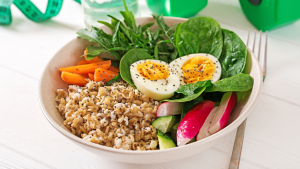
Cooking on a tight budget doesn’t mean sacrificing flavor, nutrition, or satisfaction. In fact, some of the most comforting and delicious meals are made using simple, everyday ingredients already sitting in your kitchen. With rising grocery prices and busy lifestyles, many home cooks are searching for practical ways to prepare wholesome meals without overspending or relying on processed food.
This guide is designed to help you create simple budget recipes using everyday ingredients, step by step. Whether you’re a student, a busy parent, or someone trying to save money while eating better, you’ll find realistic solutions here. From smart shopping strategies to easy meal ideas, this article focuses on real-life cooking, not fancy techniques or expensive items.
Why Budget Cooking Matters More Than Ever
Budget cooking is not just about saving money—it’s about gaining control over your food choices and household expenses. Many families overspend on food because they rely on takeout or packaged meals that cost more and offer less nutrition.
When you cook at home using everyday ingredients like rice, lentils, eggs, potatoes, and seasonal vegetables, you:
-
Reduce food waste
-
Eat more balanced meals
-
Stretch your grocery budget further
-
Avoid unnecessary preservatives and additives
Learning budget-friendly cooking is a long-term skill that improves both financial stability and overall health.
Everyday Ingredients You Probably Already Have
Before planning meals, it’s important to recognize how versatile basic pantry staples can be. Most budget recipes start with a few common items:
-
Rice, pasta, or flour
-
Eggs
-
Potatoes and onions
-
Lentils, beans, or chickpeas
-
Seasonal vegetables
-
Cooking oil, salt, and basic spices
These ingredients are affordable, widely available, and can be combined in countless ways. The key is learning how to use them creatively rather than buying new items for every recipe.
Step-by-Step Guide to Cooking on a Budget
Step 1: Plan Meals Around What You Have
Instead of deciding recipes first and shopping later, start by checking your pantry and refrigerator. Build meals around ingredients you already own. This reduces impulse buying and food waste.
For example:
-
Extra rice can become fried rice or rice porridge
-
Leftover vegetables can be added to soups or omelets
-
Cooked lentils can turn into patties or wraps
Meal planning doesn’t have to be complicated—just choose 3–4 simple meals per week and rotate them.
Step 2: Choose Recipes With Few Ingredients
Budget recipes work best when they rely on 5–8 basic ingredients. Fewer ingredients mean lower cost and less prep time. Simple doesn’t mean boring; it means efficient and practical.
Examples of low-cost meal ideas:
-
Vegetable stir-fry with rice
-
Lentil curry with flatbread
-
Egg and potato hash
-
Pasta with garlic, oil, and vegetables
These meals are filling, flexible, and easy to customize based on what’s available.
Step 3: Cook Once, Eat Multiple Times
Batch cooking is one of the easiest ways to save money and time. Preparing a large pot of food allows you to eat the same base meal in different ways throughout the week.
For instance:
-
Cooked beans can be used in soups, wraps, and salads
-
Rice can be served plain one day and fried the next
-
Vegetable curry can be paired with rice, bread, or noodles
This approach reduces cooking stress while keeping meals interesting.
Simple Budget Recipes Using Everyday Ingredients
1. One-Pot Vegetable Rice
This recipe uses rice, mixed vegetables, onion, oil, and spices. Everything cooks in one pot, saving fuel, time, and cleanup. It’s filling, nutritious, and easily adjustable based on available vegetables.
2. Egg and Potato Skillet
Potatoes and eggs are among the most affordable protein-rich foods. Pan-fry potatoes until golden, add beaten eggs, and season lightly. This meal works for breakfast, lunch, or dinner.
3. Lentil and Vegetable Soup
Lentils are inexpensive, high in protein, and cook quickly. Combine lentils with onions, carrots, and basic spices for a hearty soup that can last several meals.
4. Simple Pasta With Garlic and Oil
A classic budget-friendly dish using pasta, garlic, oil, and optional vegetables. It proves that simple ingredients can create satisfying meals without expensive sauces.
Smart Shopping Tips to Keep Costs Low
Saving money starts at the grocery store. A few small habits can make a big difference:
-
Buy seasonal produce—it’s cheaper and fresher
-
Choose store brands instead of premium labels
-
Avoid shopping while hungry
-
Stick to a written list
-
Buy staples like rice and lentils in bulk
These habits support long-term savings without compromising meal quality.
How Budget Recipes Support Health and Nutrition
Budget meals often get a bad reputation, but home-cooked food using simple ingredients can be healthier than expensive processed options. When you cook yourself, you control portion sizes, salt levels, and ingredients.
Everyday foods like beans, eggs, vegetables, and grains provide:
-
Sustained energy
-
Fiber and essential nutrients
-
Affordable protein sources
With thoughtful preparation, budget cooking supports both physical health and financial well-being.
Frequently Asked Questions
1. Can budget recipes still be healthy?
Yes. Meals made with whole ingredients like vegetables, legumes, eggs, and grains are often more nutritious than packaged foods. Healthy eating doesn’t require expensive superfoods.
2. How can I add flavor without spending more?
Use basic spices, onions, garlic, and herbs. Cooking techniques like roasting, sautéing, and slow simmering naturally enhance flavor without added cost.
3. Are budget recipes suitable for families?
Absolutely. Budget meals are ideal for families because they are filling, customizable, and easy to prepare in large quantities.
4. How do I avoid getting bored with simple meals?
Change seasonings, cooking methods, or side dishes. The same ingredients can taste completely different when prepared in new ways.
5. Can beginners handle budget cooking?
Yes. Budget recipes are often simpler and more forgiving, making them perfect for beginners learning to cook at home.
Conclusion
Simple budget recipes using everyday ingredients prove that good food doesn’t have to be expensive or complicated. With thoughtful planning, smart shopping, and basic cooking skills, anyone can prepare satisfying meals while staying within budget. These recipes focus on real-life needs—saving money, reducing waste, and eating better at home. By relying on accessible ingredients and practical methods, budget cooking becomes sustainable and stress-free. Over time, these habits build confidence in the kitchen and improve overall well-being. Cooking this way is not just about affordability—it’s about making everyday meals more meaningful, nourishing, and enjoyable.