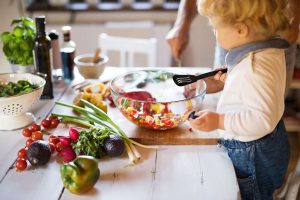
Cooking at home doesn’t have to be stressful. Many people feel overwhelmed when faced with busy schedules, complex recipes, or messy kitchens. The good news is that with the right strategies, anyone can make meal preparation simpler, faster, and more enjoyable. These practical kitchen guides are designed to help beginners and everyday home cooks create delicious meals without stress.
Organize Your Kitchen for Efficiency
A well-organized kitchen is the foundation of stress-free cooking. Knowing where your tools and ingredients are saves time and reduces frustration.
Tips for Kitchen Organization
-
Declutter Countertops: Keep only essential tools on counters to create a clean workspace.
-
Use Drawer Dividers: Organize utensils, knives, and gadgets for easy access.
-
Label Pantry Items: Use clear containers or labels for grains, spices, and canned goods.
-
Group Ingredients: Store similar items together, like baking supplies or sauces.
By keeping your kitchen organized, meal prep becomes more streamlined and enjoyable.
Plan Your Meals in Advance
Meal planning is a simple way to reduce stress during the week. Knowing what to cook ahead of time helps prevent last-minute decisions and unhealthy choices.
Beginner-Friendly Meal Planning
-
Set a Weekly Menu: Choose simple recipes that fit your schedule and skill level.
-
Make a Grocery List: Include all ingredients for the week to avoid repeated trips to the store.
-
Prep Ingredients Ahead: Wash, chop, and portion ingredients for quick assembly.
-
Use Leftovers Wisely: Plan meals that can double for lunches or dinners.
Meal planning saves time, reduces waste, and makes cooking less stressful.
Master Essential Cooking Techniques
Knowing a few basic cooking methods allows you to handle almost any recipe with confidence. Beginners often feel intimidated by unfamiliar techniques, but mastering the essentials can make a huge difference.
Key Techniques for Stress-Free Cooking
-
Boiling and Simmering: Perfect for pasta, rice, and soups.
-
Sautéing: Quick cooking with a small amount of oil, great for vegetables and proteins.
-
Baking and Roasting: Easy ways to cook meats, vegetables, and casseroles with minimal effort.
-
Steaming: Retains nutrients and works well for fish and vegetables.
Practicing these techniques regularly builds confidence and reduces anxiety in the kitchen.
Prep Ingredients Before Cooking
Prepping ingredients before cooking is one of the most effective ways to reduce kitchen stress. It ensures that everything is ready when you need it, avoiding last-minute scrambling.
Ingredient Prep Tips
-
Chop Vegetables in Advance: Store in airtight containers for a few days.
-
Measure Spices and Liquids: Keeps cooking smooth and avoids mistakes.
-
Marinate Proteins Early: Enhances flavor and saves time during cooking.
-
Organize Your Workspace: Keep all tools and ingredients within reach.
Prepping ingredients ahead of time streamlines cooking and makes the process less overwhelming.
Use Time-Saving Kitchen Tools
The right tools can make cooking faster and less stressful. You don’t need every gadget, just a few essentials to simplify meal preparation.
Recommended Tools for Beginners
-
Sharp Chef’s Knife: Makes chopping and slicing easier.
-
Cutting Board: Provides a safe and stable surface.
-
Non-Stick Pan and Saucepan: Versatile for most recipes.
-
Measuring Cups and Spoons: Ensure consistent results.
-
Slow Cooker or Instant Pot: Great for hands-off cooking and batch meals.
These tools help beginners cook efficiently and reduce the time spent on tedious tasks.
Batch Cooking and Freezing Meals
Batch cooking is an excellent strategy for stress-free meal preparation. Cooking in bulk allows you to store meals and reduce daily cooking pressure.
How to Batch Cook
-
Choose Recipes That Store Well: Soups, stews, casseroles, and pasta dishes are ideal.
-
Use Freezer-Safe Containers: Store meals in portions for easy reheating.
-
Label Each Container: Include the name and date for organization.
-
Reheat Safely: Thaw frozen meals in the fridge overnight or microwave gently.
Batch cooking saves time, reduces food waste, and ensures you always have home-cooked meals available.
Keep Cleaning Simple
A messy kitchen can make cooking feel stressful. Cleaning as you cook keeps your workspace organized and prevents a pile-up of dishes afterward.
Cleaning Tips for Beginners
-
Wash Utensils as You Go: Reduces clutter and makes post-meal cleanup easier.
-
Use a Trash Bowl: Keep a small bowl nearby for scraps to avoid constant trips to the trash.
-
Organize Storage Containers: Store leftovers immediately to keep counters clear.
-
Wipe Surfaces Regularly: Prevents mess from accumulating during cooking.
A clean kitchen creates a pleasant cooking environment and reduces stress.
Experiment With Simple Flavors
Once you feel comfortable with basic recipes, experimenting with flavors makes cooking more enjoyable and rewarding.
Flavor Enhancement Tips
-
Use fresh herbs like parsley, basil, and cilantro.
-
Add spices gradually, such as paprika, cumin, or garlic powder.
-
Enhance flavors with citrus juice or vinegar.
-
Combine textures, like crunchy toppings on creamy dishes.
Even small flavor experiments can make everyday meals exciting and satisfying.
Keep Your Recipes Simple
Beginners often try complicated recipes, which can increase stress. Starting with simple recipes allows you to focus on technique and gradually build confidence.
Simple Recipe Tips
-
Stick to 5–10 ingredient recipes for beginners.
-
Follow step-by-step instructions carefully.
-
Repeat favorite recipes to master techniques and timing.
-
Slowly explore new cuisines or ingredients once you feel confident.
Simplicity is key to reducing stress and enjoying the cooking process.
Conclusion
Stress-free meal preparation is achievable with the right strategies. Organizing your kitchen, planning meals, mastering basic cooking techniques, prepping ingredients, and keeping recipes simple can make cooking at home enjoyable rather than overwhelming. Tools, batch cooking, and experimenting with flavors further enhance your kitchen confidence. By practicing these practical kitchen guides consistently, anyone can transform home cooking into a stress-free and satisfying experience.
Remember, cooking is a journey—start simple, stay organized, and enjoy the process of creating meals that nourish your body and mind.
FAQs
Q1: How can I make meal prep less stressful?
A1: Organize your kitchen, plan your meals ahead, prep ingredients in advance, and use simple recipes. These steps reduce last-minute decisions and streamline cooking.
Q2: Are there kitchen tools that make cooking easier for beginners?
A2: Yes. Essentials include a sharp chef’s knife, cutting board, non-stick pan, saucepan, measuring cups, and a slow cooker or Instant Pot for hands-off cooking.
Q3: What are the best recipes for stress-free meal prep?
A3: Simple recipes like soups, stews, casseroles, pasta dishes, and stir-fries are ideal. They are easy to prepare, store well, and require minimal effort.
Q4: How can I avoid wasting food while prepping meals?
A4: Plan meals based on what you need, store leftovers properly, use batch cooking, and repurpose ingredients creatively in other dishes.
Q5: How often should I practice cooking to improve?
A5: Cooking 2–3 times per week helps build confidence and skill. Start with easy recipes and gradually try more complex ones as you gain experience.