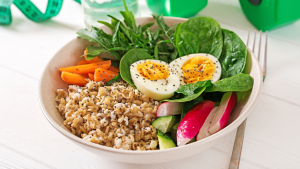
Cooking delicious meals doesn’t have to mean emptying your wallet. In fact, some of the most flavorful and satisfying dishes in the world come from cultures that mastered the art of cooking with limited resources. If rising grocery prices, busy schedules, or limited cooking experience make budget cooking feel overwhelming, you’re not alone. The good news is that with the right strategies, you can prepare tasty, nutritious meals without sacrificing quality or enjoyment.
This guide breaks down practical, real-world methods to help you cook better food on a tight budget. From smarter shopping habits to simple cooking techniques, you’ll learn how to stretch your money while still putting enjoyable meals on the table.
Understanding Why Budget Cooking Feels Difficult
Many people associate low-cost meals with bland flavors, repetitive menus, or unhealthy choices. This belief often comes from relying on ultra-processed convenience foods or skipping planning altogether. Without a plan, it’s easy to overspend on impulse buys or waste ingredients that go bad.
Another challenge is time. When you’re tired or busy, cooking from scratch can feel like extra work, pushing you toward takeout or packaged foods that cost more in the long run. Budget cooking isn’t about deprivation—it’s about making smarter choices that work with your lifestyle.
Plan Your Meals Before You Shop
Meal planning is one of the most effective ways to save money while improving the taste of your meals. When you plan ahead, you buy only what you need and reduce food waste.
Start by choosing 4–5 meals for the week instead of planning every single day. Look at what you already have in your pantry and freezer, then build meals around those ingredients. Planning flexible meals—such as stir-fries, soups, or grain bowls—allows you to swap ingredients easily based on prices or availability.
A simple written meal plan also helps you resist impulse purchases, keeping your grocery bill under control.
Shop Smarter, Not More Often
Where and how you shop matters just as much as what you buy. Shopping with intention can significantly reduce food costs without lowering quality.
Buying seasonal produce is a key strategy. Seasonal fruits and vegetables are usually cheaper, fresher, and more flavorful. Frozen vegetables are another excellent option—they’re affordable, last longer, and retain most of their nutrients.
Store brands often provide the same quality as name brands at a lower price. Don’t overlook bulk sections for items like rice, beans, oats, and spices. These staples form the foundation of countless budget-friendly meals.
Build Meals Around Affordable Staples
Budget cooking becomes easier when you rely on versatile, low-cost ingredients that work in multiple dishes.
Staples such as rice, pasta, lentils, beans, eggs, potatoes, and seasonal vegetables are affordable and filling. These ingredients can be transformed into a wide variety of meals with just a few flavor changes.
For example, cooked rice can become fried rice, rice bowls, or soup bases. Beans can be used in curries, salads, wraps, or stews. Eggs are ideal for breakfasts, quick dinners, or adding protein to vegetable dishes.
Learning how to season and combine these basics makes budget meals taste anything but boring.
Use Flavor to Elevate Simple Ingredients
Great flavor doesn’t require expensive ingredients. The secret lies in seasoning and cooking techniques.
Herbs and spices are essential for turning simple foods into satisfying meals. A small investment in spices like garlic powder, paprika, cumin, chili flakes, and dried herbs can dramatically improve taste. Buying spices in small quantities or from local markets helps keep costs down.
Cooking methods also matter. Roasting vegetables brings out natural sweetness, while sautéing onions and garlic creates a rich flavor base for soups and sauces. Slow cooking allows cheaper cuts of meat or plant-based proteins to become tender and flavorful.
Cook at Home More Often, But Keep It Simple
Cooking at home is one of the fastest ways to reduce food expenses, but it doesn’t mean spending hours in the kitchen. Simple recipes with fewer ingredients are often the most budget-friendly.
Focus on one-pot meals, sheet-pan dinners, and slow cooker recipes. These methods reduce both cooking time and cleanup, making home cooking more sustainable in the long term.
Avoid overly complex recipes that require specialty ingredients you’ll only use once. Instead, rotate a set of reliable meals that you enjoy and know how to prepare confidently.
Reduce Food Waste to Stretch Your Budget
Food waste quietly drains money from your budget. Reducing waste is just as important as finding cheaper ingredients.
Store food properly to extend freshness, and label leftovers so they don’t get forgotten. Use leftover vegetables in soups, omelets, or stir-fries. Stale bread can become breadcrumbs or toast, while overripe fruit works well in smoothies or baking.
Planning “leftover nights” once or twice a week helps ensure food gets eaten instead of thrown away.
Batch Cooking and Meal Prepping for Savings
Batch cooking allows you to prepare larger quantities at once, saving both time and money. Cooking in bulk often lowers the cost per serving and reduces the temptation to order takeout.
Choose recipes that store well, such as soups, stews, casseroles, and grain-based dishes. Freeze portions for future meals, giving yourself affordable, ready-to-eat options on busy days.
Meal prepping doesn’t need to be complicated. Even preparing a pot of rice, cooked vegetables, or protein at the start of the week can make daily meals faster and cheaper.
Choose Affordable Proteins Without Sacrificing Nutrition
Protein is often the most expensive part of a meal, but there are plenty of budget-friendly options.
Plant-based proteins like beans, lentils, chickpeas, and tofu are affordable and versatile. Eggs remain one of the most cost-effective protein sources available. When buying meat, choose cheaper cuts and use them in dishes where flavor develops over time, such as stews or curries.
Using smaller portions of meat combined with vegetables or grains can also reduce costs while keeping meals balanced and satisfying.
Eat Well Without Following Food Trends
Food trends often promote expensive ingredients or specialty products that aren’t necessary for healthy, tasty meals. Budget cooking focuses on timeless techniques and simple foods.
Avoid feeling pressured to buy superfoods, packaged snacks, or specialty diet items unless they genuinely fit your budget and needs. Home-cooked meals using basic ingredients are often healthier and more affordable than trendy alternatives.
Trust your own kitchen skills and preferences rather than chasing the latest food trend.
Frequently Asked Questions
How can I make cheap meals taste better?
Focus on seasoning and cooking methods. Using spices, herbs, onions, garlic, and proper cooking techniques like roasting or slow cooking can dramatically improve flavor without increasing cost.
Is cooking on a budget healthy?
Yes, budget cooking can be very healthy when built around whole foods like vegetables, grains, legumes, eggs, and simple proteins. It often reduces reliance on processed foods.
How much money can I save by cooking at home?
Savings vary, but many people reduce food expenses by 30–50% when they cook most meals at home instead of relying on takeout or packaged foods.
What are the best cheap meals for beginners?
Soups, stir-fries, pasta dishes, rice bowls, and omelets are beginner-friendly, affordable, and easy to customize based on what you have.
How do I stick to budget cooking long-term?
Keep meals simple, rotate favorite recipes, shop with a plan, and allow flexibility. Sustainable habits matter more than perfection.
Final Thoughts
Cooking tasty meals on a tight budget is not about sacrificing enjoyment or nutrition—it’s about making thoughtful choices. By planning meals, shopping smarter, using affordable staples, and focusing on flavor, you can create satisfying dishes without overspending. Small changes, like reducing waste and cooking at home more often, add up to meaningful savings over time. Budget cooking also builds confidence in the kitchen and encourages healthier eating habits. With consistency and creativity, affordable meals can be just as enjoyable as expensive ones. The key is learning to work with what you have and making every ingredient count.