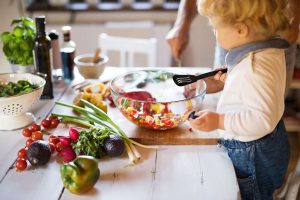
Cooking at home can be a rewarding and enjoyable experience, whether you’re a beginner or an experienced home chef. The ability to prepare delicious, nutritious meals from the comfort of your kitchen is both practical and satisfying. However, sometimes even the most seasoned chefs can use a few helpful tips to elevate their skills and make cooking easier. Whether you want to improve your knife skills, enhance your flavor profiles, or learn how to cook more efficiently, these essential cooking tips will help you become a more confident and skilled home chef.
In this article, we’ll explore a range of cooking tips that can simplify your kitchen routine and take your meals to the next level.
1. Master the Basics of Knife Skills
Good knife skills are a fundamental part of cooking that can save you time, improve the appearance of your dishes, and ensure uniform cooking. Here are a few tips to help you handle your knives like a pro:
-
Use a Sharp Knife: A dull knife is more dangerous than a sharp one because it requires more force, which can lead to accidents. Regularly sharpen your knives and use them for their intended purpose.
-
Proper Grip: Hold the knife firmly by the handle with your index and thumb wrapped around it. Use your other fingers to grip the back of the blade for better control.
-
Cut with the Tip of the Knife: Use the tip for precise cuts and chop using a rocking motion for consistency.
With practice, you’ll find chopping, slicing, and dicing easier, and you’ll gain more confidence in the kitchen.
2. Season Your Food at Every Stage
Seasoning is one of the most important aspects of cooking. While it may seem obvious to salt and pepper your food at the end of cooking, the key to great flavor is seasoning throughout the process. Here’s how:
-
Layering Flavors: Start seasoning at the beginning of the cooking process and adjust throughout. For example, adding salt and pepper to the oil before sautéing onions and garlic helps develop deeper flavors.
-
Taste as You Go: Constantly taste your dish while cooking to ensure the seasoning is balanced. This will help you avoid over-seasoning or under-seasoning the final dish.
-
Use Fresh Herbs: Fresh herbs like basil, thyme, and parsley can transform a dish. Add them towards the end of cooking to retain their fresh flavors.
Seasoning thoughtfully can make a simple dish extraordinary.
3. Invest in the Right Tools
Having the right tools can make a big difference in your cooking efficiency and results. While you don’t need to buy everything in the store, there are a few key items that every home chef should have in their kitchen:
-
Good Quality Knife: A chef’s knife, paring knife, and serrated knife will cover most of your chopping, slicing, and dicing needs.
-
Cast Iron Skillet: Cast iron is durable, retains heat well, and is perfect for searing meat and making one-pan meals.
-
Measuring Cups and Spoons: Accuracy is essential in baking and when following recipes that require specific quantities.
-
Cutting Board: A sturdy, spacious cutting board is essential for prepping ingredients safely and efficiently.
By having the right kitchen tools, you’ll be able to cook more comfortably and with better results.
4. Learn How to Cook with Heat Control
Heat control is crucial in cooking, as it can make or break your dish. Different types of heat produce different effects on food, so understanding how to use your stove, oven, or grill effectively will improve your dishes:
-
Low and Slow for Tender Dishes: Slow cooking at low temperatures (like simmering or braising) helps break down tough cuts of meat and allows flavors to develop. For example, a low-simmering sauce allows the flavors to meld together, resulting in a rich and flavorful dish.
-
High Heat for Searing: Searing meat at high heat creates a delicious crust while locking in juices. Always make sure your pan is preheated before adding the meat.
-
Don’t Overcrowd the Pan: Overcrowding your pan traps steam, causing your food to steam instead of brown. Cook in batches if necessary.
By understanding how to use different heat levels, you can master everything from juicy steaks to perfectly roasted vegetables.
5. Understand the Importance of Resting Meat
Resting meat after cooking is an often-overlooked step that can make a big difference in the texture and juiciness of your dish. When you cook meat, the proteins tighten up, and resting allows the juices to redistribute throughout the meat. Here’s how to do it right:
-
Let the Meat Rest: After cooking a steak, chicken breast, or roast, let it sit for about 5–10 minutes before slicing. This will result in a juicier, more flavorful piece of meat.
-
Cover Loosely with Foil: To keep the meat warm while it rests, cover it loosely with foil. This helps maintain heat without causing the crust to become soggy.
This small step can greatly improve the quality of your meat dishes.
6. Don’t Overcomplicate Your Dishes
Sometimes, the most simple meals are the best. It’s easy to get carried away with complex recipes, but many times, you can create a delicious dish by focusing on a few key ingredients and letting their natural flavors shine. Here’s how:
-
Limit Ingredients: Stick to a handful of ingredients for your dishes. Fresh produce, a good protein, and simple seasonings can often be enough.
-
Use One-Pan Meals: One-pan meals like roasted vegetables with chicken or pasta dishes that cook all in one pot are both easy and flavorful, with minimal cleanup.
-
Make Simplicity a Priority: If you have great quality ingredients, you don’t need to overcomplicate the preparation. Often, less is more when it comes to creating outstanding flavors.
Embracing simplicity in your cooking can save time and still yield amazing results.
7. Cook with Seasonal Ingredients
Using seasonal produce not only helps save money but also ensures you’re getting the best possible flavor from your ingredients. Fresh, in-season fruits and vegetables are often more affordable and taste better than those that are out of season. Here are some tips:
-
Know What’s In Season: Research what fruits and vegetables are in season in your area. For example, summer is perfect for berries and tomatoes, while fall brings a bounty of squashes and root vegetables.
-
Support Local Markets: Farmers’ markets often have the freshest and most affordable seasonal produce. Not only are you supporting local growers, but you’re also getting the best ingredients for your meals.
-
Preserve Seasonal Produce: When you find great deals on seasonal items, consider freezing or canning them for use later in the year.
Cooking with what’s in season can help you create vibrant, flavorful meals year-round.
FAQ Section
Q1: How do I know if my food is cooked properly? The best way to ensure your food is cooked properly is by using a food thermometer, especially for meats. For baked goods, checking the texture and color can also help gauge doneness.
Q2: What should I do if my dish is too salty? If your dish becomes too salty, you can try diluting it with water, broth, or a bit of sugar to balance the flavor. For soups and stews, adding a starchy vegetable like potatoes can absorb some of the salt.
Q3: Can I substitute fresh herbs with dried herbs? Yes! However, dried herbs are more concentrated, so use about one-third of the amount called for in the recipe. For example, if a recipe calls for 3 teaspoons of fresh basil, use 1 teaspoon of dried basil.
Q4: How can I make cooking faster without sacrificing quality? To speed up cooking, you can use a pressure cooker, slow cooker, or Instant Pot. Pre-chop ingredients in advance, and always use high heat when searing meats for faster cooking.
Q5: Should I cook with oil or butter? Both oil and butter have their benefits. Olive oil is great for sautéing and roasting, while butter adds a rich flavor to baked goods and certain dishes like sauces. Choose based on the flavor you’re aiming for and the dish you’re preparing.
Conclusion
Cooking at home is an art that can be easily mastered with the right techniques and tips. By honing your knife skills, seasoning thoughtfully, and using the right tools and techniques, you can prepare meals that are both delicious and cost-effective. Remember, cooking is all about experimenting, learning, and improving your skills over time. With these essential cooking tips, you’ll not only become a better home chef but also enjoy the process of creating meals that your family and friends will love. Happy cooking!