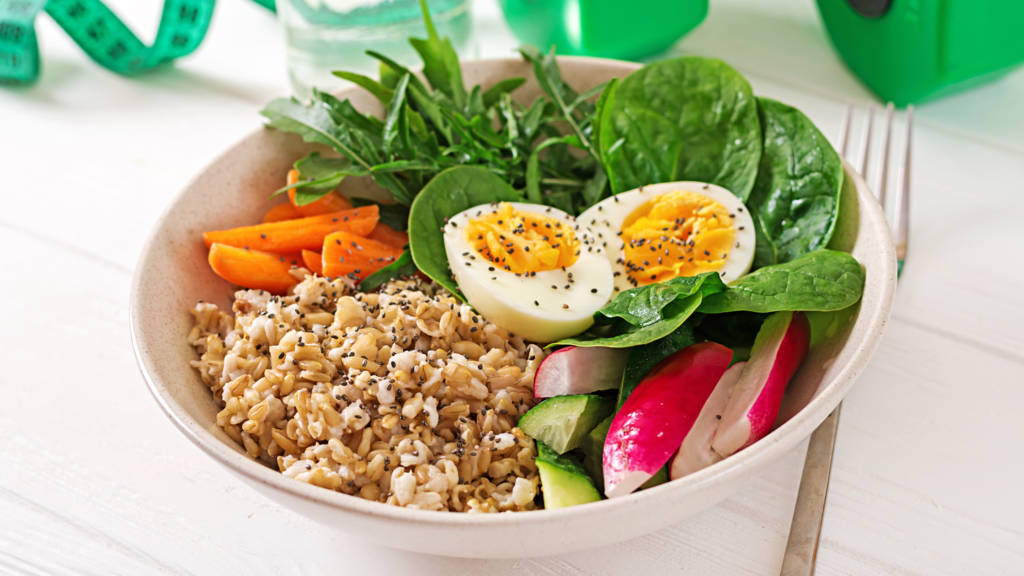
A few years ago, I noticed something frustrating. Every time I went grocery shopping, I planned to buy only a few things—but somehow the bill kept getting bigger.
At the same time, ordering food from restaurants was becoming expensive. Even simple meals cost much more than they used to.
So I decided to challenge myself: Could I cook good meals at home without spending a lot of money?
At first, it wasn’t easy. I bought random ingredients, wasted food that spoiled in the fridge, and sometimes spent more than I planned.
But after experimenting with smarter grocery shopping and simple recipes, I discovered that budget-friendly cooking is actually easier than most people think.
The key is choosing the right ingredients, planning meals, and using simple cooking techniques.
In this guide, I’ll share practical strategies and easy recipes that helped me cook tasty, satisfying meals on a budget without sacrificing nutrition or flavor.
Why Cooking on a Budget Can Be Challenging
Many people believe cooking at home automatically saves money. While that’s often true, it doesn’t always happen without a plan.
Common problems include:
-
Buying ingredients without a meal plan
-
Purchasing expensive packaged foods
-
Wasting leftovers
-
Choosing recipes with too many ingredients
When these mistakes happen, grocery spending can increase quickly.
The solution is to focus on simple meals made from affordable, versatile ingredients.
The Best Budget-Friendly Ingredients to Keep at Home
One of the biggest lessons I learned was that certain ingredients provide excellent value because they are:
-
Affordable
-
Nutritious
-
Versatile
-
Long-lasting
Here are some of the most useful budget-friendly foods.
1. Rice
Rice is one of the most affordable staple foods in the world.
It works well with:
-
Vegetables
-
Eggs
-
Beans
-
Chicken
-
Lentils
You can turn rice into dozens of different meals.
2. Lentils and Beans
Lentils and beans are excellent plant-based protein sources.
They are:
-
Inexpensive
-
High in fiber
-
Easy to cook
-
Very filling
They also store well in the pantry.
3. Eggs
Eggs are one of the most affordable sources of high-quality protein.
They can be used for:
-
Breakfast
-
Sandwiches
-
Fried rice
-
Salads
A single carton of eggs can create several meals.
4. Seasonal Vegetables
Vegetables that are in season are usually cheaper and fresher.
Examples often include:
-
Potatoes
-
Carrots
-
Cabbage
-
Onions
-
Tomatoes
These vegetables work well in soups, stir-fries, and curries.
5. Oats
Oats are one of the most cost-effective breakfast foods.
They provide:
-
Fiber
-
Slow-releasing energy
-
Long shelf life
Oats can also be used in smoothies, pancakes, and baked snacks.
Smart Strategies for Budget-Friendly Cooking
Over time, these habits helped me reduce food expenses significantly.
Plan Meals Before Shopping
This simple step can prevent unnecessary purchases.
Before going to the grocery store:
-
Decide what meals you’ll cook for the week.
-
Write a shopping list.
-
Buy only what you need.
Meal planning reduces impulse buying.
Cook Larger Portions
Cooking larger meals saves both time and money.
For example:
-
A pot of lentil soup can last multiple meals.
-
Cooked rice can be used for lunch and dinner.
Leftovers can also be stored in the refrigerator or freezer.
Reduce Food Waste
Food waste is one of the biggest hidden costs in the kitchen.
Simple ways to reduce waste include:
-
Storing ingredients properly
-
Using leftovers creatively
-
Freezing unused portions
Even vegetable scraps can be used to make homemade broth.
Choose Simple Recipes
Some recipes require 15–20 ingredients, which increases costs.
Budget cooking works best when meals contain 5–8 simple ingredients.
5 Easy Budget-Friendly Meals You Can Make at Home
These meals helped me save money while still eating satisfying food.
1. Vegetable Fried Rice
This dish is perfect for using leftover rice.
Ingredients
-
2 cups cooked rice
-
1 egg
-
Mixed vegetables
-
Garlic
-
Soy sauce
-
Cooking oil
Instructions
-
Heat oil in a pan.
-
Cook garlic briefly.
-
Add vegetables and stir-fry.
-
Add rice and egg.
-
Stir in soy sauce and cook for a few minutes.
This meal is quick, affordable, and filling.
2. Simple Lentil Soup
A nutritious and budget-friendly meal.
Ingredients
-
1 cup lentils
-
Onion
-
Garlic
-
Tomato
-
Turmeric
-
Salt and pepper
Instructions
-
Rinse lentils.
-
Cook with water, onion, and garlic.
-
Add tomato and spices.
-
Simmer for 20–25 minutes.
Serve with bread or rice.
3. Egg and Potato Skillet
This recipe uses ingredients that are usually inexpensive.
Ingredients
-
2 potatoes
-
2 eggs
-
Onion
-
Salt and pepper
-
Cooking oil
Instructions
-
Dice potatoes and cook in a pan.
-
Add chopped onion.
-
Crack eggs over the mixture.
-
Cook until eggs are set.
This meal is simple but very satisfying.
4. Oatmeal Breakfast Bowl
One of the cheapest and healthiest breakfasts.
Ingredients
-
½ cup oats
-
1 cup milk or water
-
Banana slices
-
Peanut butter
Instructions
-
Cook oats in milk or water.
-
Add banana slices.
-
Stir in peanut butter.
This breakfast keeps you full for hours.
5. Chickpea Salad
A refreshing and inexpensive meal.
Ingredients
-
1 cup cooked chickpeas
-
Cucumber
-
Tomato
-
Olive oil
-
Lemon juice
-
Salt and pepper
Instructions
-
Combine chickpeas and chopped vegetables.
-
Add olive oil and lemon juice.
-
Season and mix well.
Great for lunch or a light dinner.
Practical Tips to Save More Money on Food
These small habits made a noticeable difference in my grocery spending.
Buy in bulk when possible
Staples like rice, beans, and oats are often cheaper when purchased in larger quantities.
Use frozen vegetables
Frozen vegetables are affordable, nutritious, and last longer than fresh ones.
Cook at home more often
Even simple restaurant meals usually cost much more than homemade food.
Learn a few versatile recipes
Recipes like fried rice, soups, and stir-fries can use many different ingredients, reducing waste.
Common Budget Cooking Mistakes
While trying to save money, many people make these mistakes.
Buying cheap processed foods
Some low-cost packaged foods are unhealthy and not very filling.
Ignoring leftovers
Leftovers can easily become another meal if stored properly.
Shopping while hungry
Shopping on an empty stomach often leads to unnecessary purchases.
Trying complicated recipes
Complex recipes increase both cost and cooking time.
FAQs About Budget-Friendly Cooking
1. Can cooking at home really save money?
Yes. Cooking meals at home usually costs significantly less than ordering food or dining out regularly.
2. What are the cheapest healthy foods?
Affordable healthy foods include rice, oats, lentils, beans, eggs, potatoes, and seasonal vegetables.
3. How can beginners start cooking on a budget?
Start with simple recipes that use a few ingredients and focus on affordable staples.
4. Is meal planning necessary for saving money?
Meal planning helps reduce impulse purchases and prevents food waste, which saves money.
5. Can budget meals still be nutritious?
Absolutely. Many nutritious foods such as beans, lentils, vegetables, and whole grains are very affordable.
Conclusion: Delicious Meals Don’t Need to Be Expensive
Cooking on a budget doesn’t mean sacrificing flavor or nutrition. In fact, some of the most satisfying meals are made with simple, affordable ingredients.
By focusing on smart grocery shopping, reducing food waste, and learning a few versatile recipes, you can prepare meals that are both budget-friendly and nutritious.
Over time, these small habits can dramatically reduce food expenses while helping you develop valuable cooking skills.
Start with a few easy recipes, experiment with ingredients you already have, and you’ll soon discover that great home cooking doesn’t have to cost a fortune.