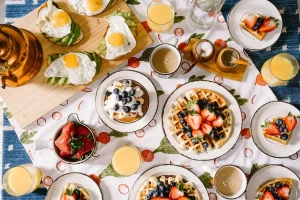
Starting your day with a homemade morning meal sounds simple—until you’re actually standing in the kitchen, unsure where to begin. For beginners, cooking breakfast can feel intimidating: too many recipes, unfamiliar ingredients, and the fear of getting something wrong. As a result, many people skip breakfast or rely on packaged foods that don’t truly support their energy or health.
The truth is, everyday cooking doesn’t need to be complicated. With the right approach, even complete beginners can prepare simple, satisfying morning meals without stress. This guide is designed to help you build confidence in the kitchen by sharing easy, beginner-friendly morning meal ideas that use basic ingredients, simple steps, and realistic time frames.
Why Morning Meals Matter for Beginners
For those new to cooking, breakfast is actually the best place to start. Morning meals are typically quicker, use fewer ingredients, and don’t require advanced techniques. They also help establish a healthy daily routine.
Eating a balanced breakfast supports steady energy, improves focus, and prevents overeating later in the day. From a practical standpoint, learning to cook simple breakfasts builds foundational skills like chopping, mixing, and basic heat control—skills you’ll use in everyday cooking.
Common Beginner Challenges in Morning Cooking
Many beginners struggle not because they lack ability, but because they lack clarity.
Fear of mistakes is one of the biggest barriers. Beginners often think one wrong step will ruin the meal, when in reality, most breakfast dishes are forgiving.
Limited tools and ingredients can also feel restrictive. However, great morning meals can be made with just a pan, a bowl, and everyday pantry staples.
Time pressure adds another layer of stress. Beginners assume cooking always takes too long, but many simple breakfasts are ready in under 15 minutes.
Understanding these challenges makes it easier to choose meals that actually fit beginner lifestyles.
Essential Basics Every Beginner Should Know
Before diving into recipes, a few basics can make everyday cooking much easier.
Start with simple ingredients you already recognize—eggs, bread, oats, fruit, milk, and vegetables. These form the foundation of countless beginner-friendly meals.
Learn basic cooking methods such as scrambling, boiling, toasting, and blending. You don’t need advanced techniques to make a nourishing breakfast. Focus on consistency rather than perfection; even slightly imperfect meals still provide value and experience.
Most importantly, follow your senses. Smell, texture, and color are often better guides than strict timing when you’re learning.
Easy Egg-Based Morning Meals for Beginners
Eggs are one of the most beginner-friendly ingredients available. They cook quickly, are affordable, and work in many simple dishes.
Scrambled eggs are an ideal starting point. With just eggs, a little oil or butter, and gentle heat, beginners can practice stirring and timing. Adding vegetables like onions or tomatoes enhances flavor without adding difficulty.
Boiled eggs are another great option. They require minimal attention and can be prepared ahead of time. Once you master boiling, you’ll have a reliable protein source for busy mornings.
Egg sandwiches made with toasted bread are also beginner-friendly and filling, helping build confidence with simple assembly.
No-Fuss Breakfasts That Require Minimal Cooking
Not every morning meal requires turning on the stove. These options are perfect for beginners who want simplicity.
Oatmeal is one of the easiest breakfasts to master. Whether cooked on the stove or soaked overnight, oats can be customized with fruits, nuts, or honey without complicated steps.
Yogurt bowls are another beginner favorite. Combining yogurt with fresh fruit and seeds creates a balanced meal with no cooking involved.
Smoothies are ideal for those who prefer quick preparation. Blending fruit, milk, or yogurt takes minutes and helps beginners get comfortable combining ingredients.
Beginner-Friendly Toast and Bread-Based Ideas
Toast-based meals are excellent for everyday cooking because they are flexible and forgiving.
Whole-grain toast with nut butter is a simple yet satisfying choice. Beginners can experiment with toppings like banana slices or seeds without pressure.
Avocado toast, mashed simply with a fork, helps beginners practice seasoning and texture control. Adding a boiled egg can turn it into a complete meal.
French toast is another easy dish that teaches beginners basic dipping and pan cooking techniques while delivering a comforting breakfast option.
Simple Make-Ahead Morning Meals for Everyday Ease
Preparing food ahead of time is a powerful habit, especially for beginners learning consistency.
Overnight oats are one of the easiest make-ahead meals. Mixing oats with milk or yogurt the night before eliminates morning stress and introduces basic meal planning.
Breakfast muffins made with eggs or oats can be baked in batches and stored for several days. They help beginners practice portioning and timing while providing ready-to-eat meals.
Even pre-cutting fruits or vegetables the night before can make morning cooking feel manageable and less overwhelming.
How to Build Balanced Morning Meals Without Overthinking
Beginners often worry about “doing it right.” A simple balance approach removes confusion.
Try to include:
-
Protein (eggs, yogurt, milk)
-
Carbohydrates (bread, oats, fruit)
-
Healthy fats (nuts, seeds, oils)
For example, oatmeal with milk and fruit or toast with eggs and vegetables naturally creates balance without complicated calculations. This flexible approach encourages confidence and consistency.
Developing Confidence Through Everyday Cooking Habits
Confidence doesn’t come from complex recipes—it comes from repetition.
Start by rotating just two or three breakfast options throughout the week. Familiarity reduces stress and improves skills naturally.
Keep recipes visible or written down. This helps beginners avoid guesswork while learning.
Most importantly, allow room for mistakes. Every imperfect meal is still progress, and each attempt builds experience that carries into other areas of cooking.
Frequently Asked Questions
What is the easiest breakfast for complete beginners?
Scrambled eggs, oatmeal, or toast with nut butter are some of the easiest options. They use simple ingredients and require minimal steps.
How can beginners cook breakfast faster?
Preparation is key. Pre-cut ingredients, choose simple recipes, and stick to familiar meals until confidence improves.
Are no-cook breakfasts healthy for beginners?
Yes. Yogurt bowls, smoothies, and overnight oats can be very nutritious when made with whole ingredients.
How many ingredients should a beginner breakfast have?
Ideally, 3–5 ingredients. Fewer ingredients make cooking easier and reduce the chance of feeling overwhelmed.
Can beginners cook breakfast every day?
Absolutely. Starting with easy, repeatable meals helps build a sustainable habit without stress.
Conclusion:
Learning to cook doesn’t require advanced skills or complicated recipes. Beginner-friendly morning meals offer a practical, low-pressure way to build confidence in everyday cooking. By choosing simple ingredients, easy methods, and realistic routines, anyone can create nourishing breakfasts at home. These small daily efforts lead to stronger habits, healthier choices, and greater comfort in the kitchen. With patience and consistency, even the simplest morning meals can become the foundation of lifelong cooking skills. Start small, stay curious, and let each morning be a step forward.