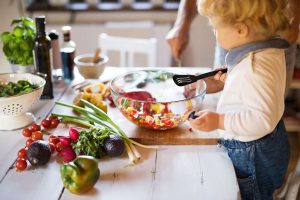
Cooking at home can sometimes feel overwhelming, especially for beginners. Between chopping vegetables, following complicated recipes, and cleaning up afterward, it’s easy to get discouraged. The good news is that cooking doesn’t have to be stressful or time-consuming. By learning a few beginner-friendly cooking tricks, you can save time, reduce effort, and still create delicious meals that everyone will enjoy.
Plan Your Meals Ahead of Time
One of the simplest ways to save time in the kitchen is to plan your meals in advance. Meal planning reduces the stress of deciding what to cook each day and prevents unnecessary trips to the grocery store.
Steps for Efficient Meal Planning
-
Create a Weekly Menu: Decide on meals for breakfast, lunch, and dinner for the week.
-
Make a Shopping List: List all ingredients to avoid last-minute shopping trips.
-
Consider Batch Cooking: Prepare multiple portions to save time on busy days.
-
Use Leftovers Wisely: Plan meals that can be repurposed into new dishes.
Meal planning ensures you’re organized, reduces waste, and allows you to enjoy cooking without rushing.
Keep Your Kitchen Organized
An organized kitchen is a stress-free kitchen. Spending time searching for tools or ingredients can make cooking feel like a chore.
Tips for Kitchen Organization
-
Declutter Countertops: Keep only the items you use daily within reach.
-
Use Clear Containers: Store grains, spices, and dry ingredients in labeled jars for easy access.
-
Group Similar Items: Keep baking ingredients together, spices in one section, and oils in another.
-
Organize Tools: Store utensils, knives, and pans in a way that makes them easy to grab.
When everything has its place, cooking becomes faster, easier, and more enjoyable.
Prep Ingredients in Advance
Prepping ingredients ahead of time is a beginner-friendly trick that saves a lot of effort during cooking. This way, you can focus on cooking rather than chopping and measuring while a pan is hot.
Ingredient Prep Tips
-
Chop Vegetables in Bulk: Store in airtight containers in the fridge for a few days.
-
Measure Spices and Liquids: Have them ready before starting a recipe.
-
Marinate Proteins: Marinating meats or tofu ahead of time improves flavor and reduces last-minute work.
-
Pre-Cook Staples: Cook rice, grains, or pasta in advance for quick meal assembly.
By prepping ingredients, even a beginner can cook efficiently and reduce kitchen stress.
Master Quick Cooking Techniques
Learning a few simple cooking techniques can save both time and effort. Beginners often stick to methods like boiling, but there are faster ways to prepare meals without sacrificing flavor.
Time-Saving Cooking Methods
-
Sautéing: Quick and easy for vegetables and proteins.
-
One-Pot Meals: Reduce cleanup by cooking everything in a single pot or pan.
-
Stir-Frying: Fast cooking at high heat retains nutrients and flavor.
-
Pressure Cooking or Instant Pot: Great for soups, stews, and grains in less time.
-
Sheet Pan Meals: Roast proteins and vegetables together for easy, hands-off cooking.
These techniques allow beginners to prepare tasty meals in a fraction of the time.
Use Kitchen Shortcuts
There are several kitchen shortcuts that save time without compromising quality. These small tricks can make cooking less intimidating for beginners.
Useful Shortcuts
-
Pre-Cut or Frozen Vegetables: Saves chopping time and reduces prep effort.
-
Rotisserie Chicken: Use pre-cooked chicken in salads, sandwiches, or casseroles.
-
Canned Beans or Tomatoes: Ready-to-use and reduce cooking time significantly.
-
Garlic Paste or Minced Garlic: Convenient for flavoring dishes quickly.
-
Herb Blends and Seasoning Mixes: Replace multiple ingredients with a single blend for faster cooking.
These shortcuts allow you to focus on assembling meals rather than spending excessive time on prep.
Cook in Batches
Batch cooking is one of the most effective tricks to save time and effort in the kitchen. Preparing multiple portions at once reduces daily cooking stress and ensures you always have ready-to-eat meals.
How to Batch Cook
-
Choose Recipes That Freeze Well: Soups, stews, casseroles, and pasta sauces are perfect.
-
Use Freezer-Safe Containers: Store meals in portions for easy reheating.
-
Label Containers: Include the date and contents for easy identification.
-
Reheat Safely: Thaw in the fridge overnight or microwave gently.
Batch cooking saves time, reduces waste, and makes weekday meals stress-free.
Keep Cleaning Simple
Cleaning up can be one of the most tedious parts of cooking. Reducing cleanup effort makes cooking more enjoyable, especially for beginners.
Cleaning Tips
-
Clean as You Go: Wash utensils and cutting boards while cooking.
-
Use a Trash Bowl: Keep a small bowl nearby for scraps to reduce trips to the trash.
-
Organize Leftovers: Store them immediately to prevent clutter.
-
Wipe Surfaces Regularly: Keep counters clear to maintain a tidy workspace.
A clean kitchen not only reduces stress but also allows you to focus on cooking instead of constant tidying.
Taste and Adjust Along the Way
Beginners often rely solely on the recipe, but tasting your food as you cook ensures better results and reduces mistakes.
Tips for Tasting
-
Season Gradually: Add salt and spices in small amounts and adjust to taste.
-
Balance Flavors: Consider saltiness, sweetness, acidity, and bitterness.
-
Enhance with Fresh Ingredients: Lemon juice, herbs, or a pinch of spice can elevate a simple dish.
Tasting along the way allows you to adjust flavors and create meals that truly satisfy.
Embrace Simple Recipes
Starting with simple recipes saves time and builds confidence. Overly complicated dishes can overwhelm beginners and make cooking stressful.
Simple Recipe Ideas
-
Stir-fried vegetables with rice or noodles
-
One-pot pasta dishes
-
Sheet pan roasted chicken with vegetables
-
Soups or stews with minimal ingredients
-
Omelets or scrambled eggs with toppings
Simple recipes help beginners focus on technique and gradually improve their skills without frustration.
Experiment Slowly
Once you’re comfortable with basic meals, experiment with flavors, ingredients, and techniques. Controlled experimentation helps build confidence without adding stress.
Beginner-Friendly Experimentation
-
Swap one vegetable for another in a recipe
-
Add a new spice or herb gradually
-
Try a simple international recipe once a week
-
Combine textures like crunchy toppings with creamy sauces
Experimentation keeps cooking exciting and allows you to develop your personal style in the kitchen.
Conclusion
Improving your home cooking skills doesn’t have to be complicated or stressful. By planning meals, organizing your kitchen, prepping ingredients in advance, and using time-saving techniques, beginners can create delicious meals with minimal effort. Batch cooking, kitchen shortcuts, simple recipes, and cleaning as you go further simplify the process.
Cooking is a skill that improves with practice and patience. By implementing these beginner-friendly tricks, anyone can save time, reduce stress, and enjoy creating home-cooked meals. Remember, the key is to start simple, stay consistent, and gradually experiment as your confidence grows.
FAQs
Q1: How can beginners save time while cooking?
A1: Meal planning, ingredient prep, batch cooking, and using time-saving kitchen tools are the most effective ways to save time.
Q2: What are the best shortcuts for easy cooking?
A2: Use pre-cut or frozen vegetables, canned beans, pre-cooked proteins like rotisserie chicken, garlic paste, and spice blends for faster meal preparation.
Q3: How often should beginners practice cooking to improve?
A3: Cooking 2–4 times per week helps build confidence, improve skills, and develop a better understanding of flavors and techniques.
Q4: Can simple recipes taste good without being complicated?
A4: Absolutely. Using fresh ingredients, proper seasoning, and basic techniques can make simple recipes delicious and satisfying.
Q5: How can I make cleanup less stressful?
A5: Clean as you cook, use a trash bowl for scraps, store leftovers immediately, and wipe surfaces regularly to maintain a tidy kitchen.