I remember standing in my grandmother’s kitchen at seven years old, watching her hands move with the confidence of decades as she rolled out pie dough without measuring a single thing. The flour dusted her apron. The rolling pin was worn smooth from use. She added water until the dough felt right, shaped it by memory, and produced a crust that was somehow both flaky and tender, better than any I have tasted since. When I asked her for the recipe, she laughed and said, “There is no recipe, child. You just know.”
That was my introduction to traditional home-style cooking. Not the precise, measured world of modern recipe development, but the intuitive, sensory craft of cooks who learned by watching, doing, and tasting. These recipes were never written down in exact proportions. They were passed from mother to daughter, from grandmother to grandchild, through hands and hearts rather than notebooks and apps.
Traditional and home-style recipes matter because they connect us to something deeper than nutrition. They connect us to heritage, to family, to the slow rhythms of a time when food was made with patience and intention rather than speed and convenience. This article explores the world of heritage cooking, why it deserves preservation, how to master its techniques, and how to adapt it for modern life without losing its soul.
Why Traditional Recipes Deserve a Place in Modern Kitchens
In an era of meal delivery apps, thirty-minute recipes, and molecular gastronomy, traditional home-style cooking can seem quaint or even irrelevant. But its value is not nostalgia alone. Traditional recipes embody wisdom that modern cooking often forgets.
They Are Tested by Time
A recipe that has been cooked in a family for three generations has survived for a reason. It works. It satisfies. It nourishes. The proportions have been adjusted over decades. The techniques have been refined through repetition. This is not to say that all traditional recipes are perfect, but they have been validated by countless meals and countless palates in a way that no single cookbook author can replicate.
I have cooked recipes from trendy cookbooks that disappointed me. I have never cooked my grandmother’s chicken and dumplings without hearing someone say it was the best thing they had eaten all month. The difference is not my skill. It is the recipe’s provenance.
They Use Humble Ingredients Brilliantly
Traditional cooking developed in eras and places where ingredients were limited. Cooks learned to transform simple, affordable foods into memorable meals through technique, time, and seasoning. A pot of dried beans becomes a feast through slow simmering with aromatics. A tough cut of meat becomes tender through patient braising. These skills are more relevant than ever in an age of rising food costs.
They Create Connection
Food is one of the primary ways humans bond. Traditional recipes carry stories. The Sunday roast that brought the family together. The birthday cake that was requested every year. The soup that was made when someone was sick. Cooking these recipes is an act of remembering and continuing those connections.
I make my grandmother’s cornbread recipe whenever I miss her. The smell of it baking fills my kitchen with her presence in a way that no photograph or video can replicate. Food memory is powerful, and traditional recipes are its vessels.
The Foundations of Home-Style Cooking
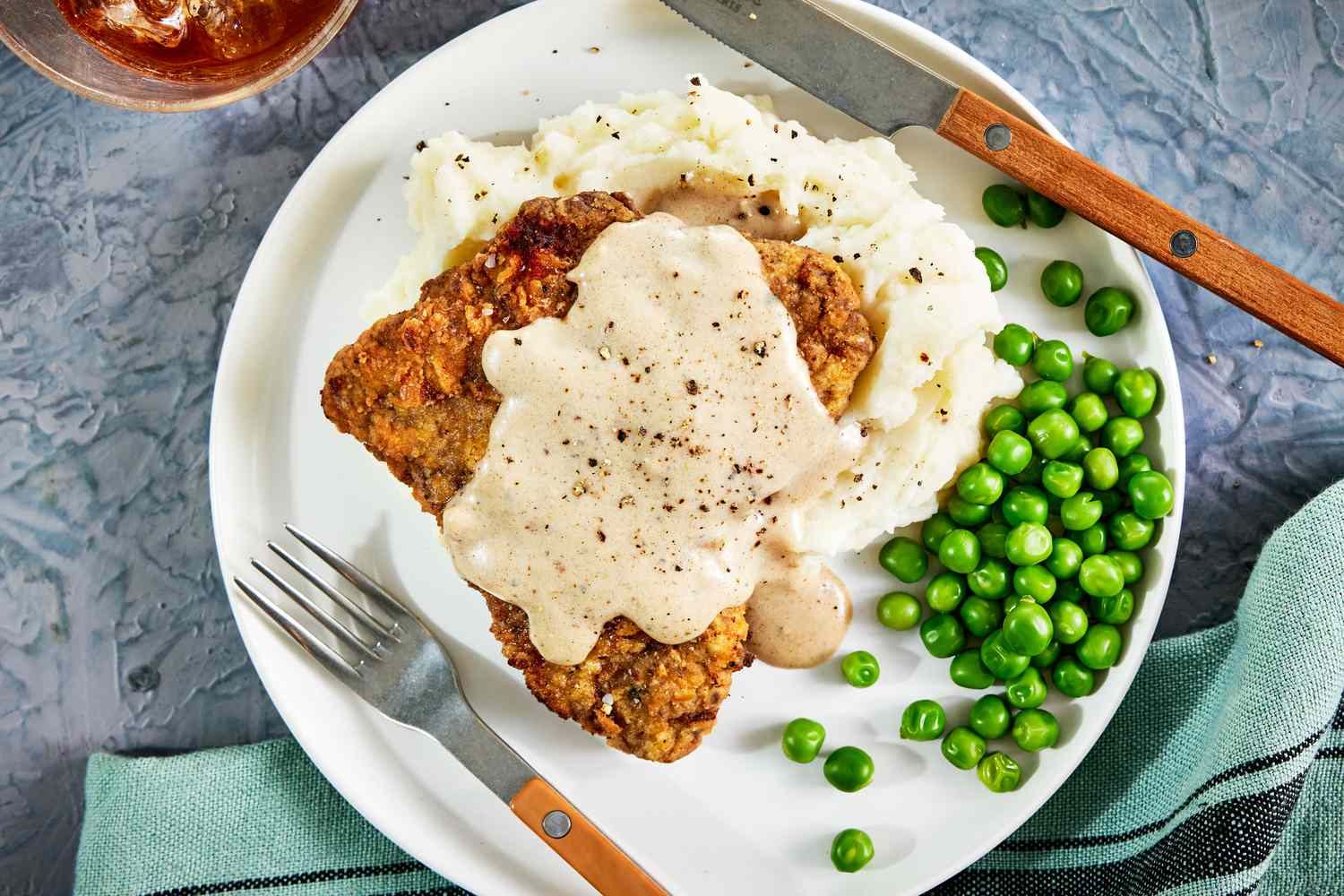
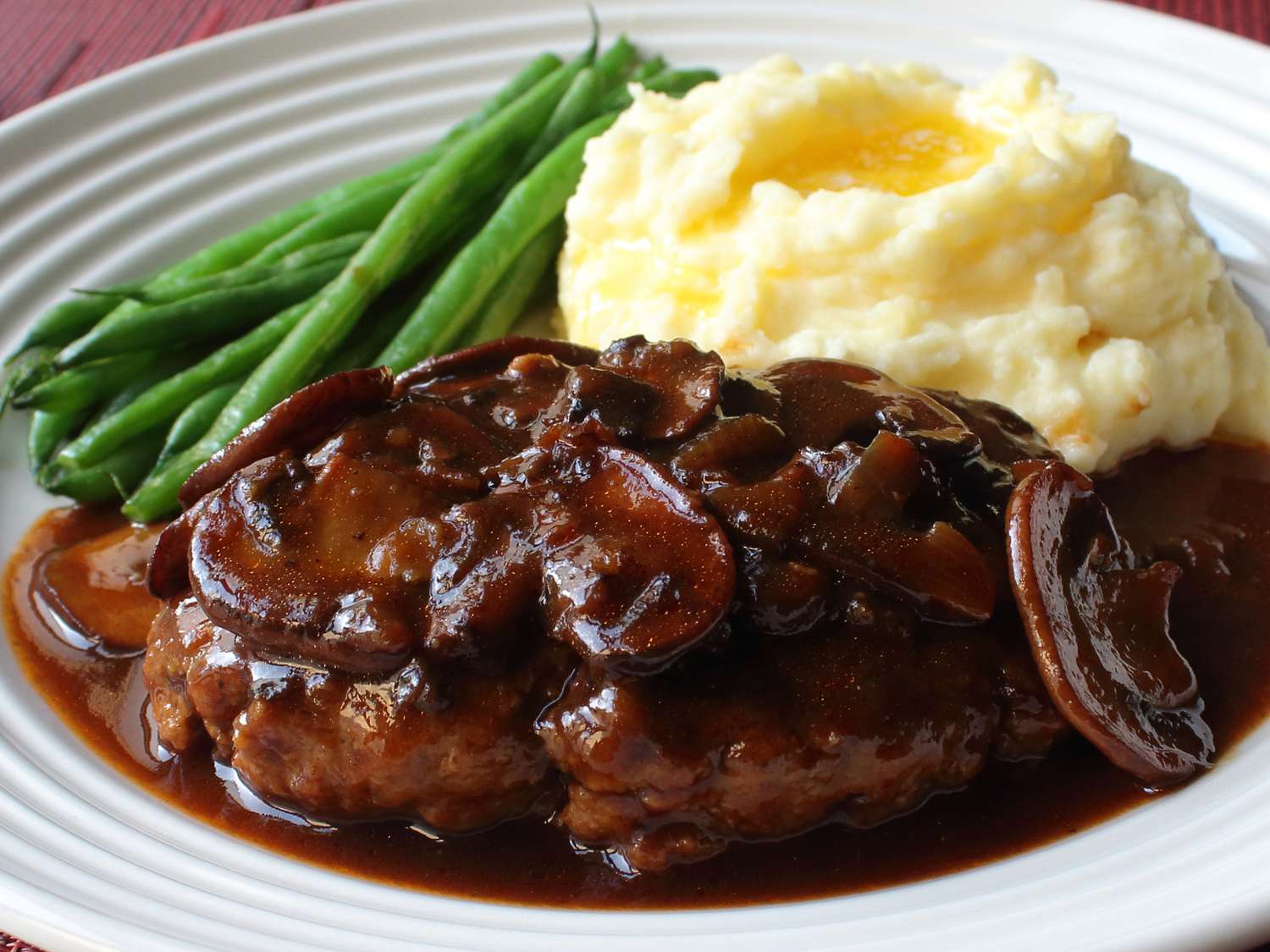
Traditional cooking is not about specific dishes. It is about an approach to food that emphasizes certain principles over others.
Cooking with Your Senses
My grandmother did not use timers. She knew when a roast was done by the smell. She knew when bread had risen enough by the press of her finger. She knew when jam had set by the way it dripped from a spoon. This sensory cooking is the opposite of the metric-driven approach common today.
Developing sensory cooking skills takes practice, but it is accessible to anyone. Start by paying attention. Notice how a kitchen smells when onions are perfectly translucent versus when they begin to brown. Feel the difference between dough that is too sticky and dough that is just right. Listen to the sound of a properly heated pan when water droplets hit it. These observations build intuition that makes you a better cook than any recipe alone.
Respecting the Process
Traditional recipes often require time that modern recipes try to eliminate. Rising bread. Simmering stock. Resting meat. Curing vegetables. These waiting periods are not inefficiencies. They are essential steps that develop flavor and texture.
I used to rush my stock, trying to produce it in an hour. It was always thin and disappointing. When I finally allowed myself the full four hours of gentle simmering, the difference was transformative. The stock was rich, golden, and deeply flavored. The time was not wasted. It was invested.
Making Do and Adapting
Traditional cooks were masters of substitution. If they lacked one ingredient, they used another. If a cut of meat was tough, they braised it. If fruit was overripe, they made jam. This flexibility is a skill that modern recipe-dependent cooks often lose.
Learning to adapt requires understanding what each ingredient contributes to a dish. Fat carries flavor. Acid brightens. Salt enhances. Sugar balances. Once you know these roles, you can substitute intelligently rather than following recipes rigidly.
Cooking with Love
This sounds sentimental, but it is practical. The care you put into cooking affects the result. A soup stirred with attention tastes better than one left to boil unattended. A pie made with patience has a more tender crust than one rushed. The emotional state of the cook influences the food in subtle but real ways.


Classic Home-Style Recipe Categories
Traditional cooking spans every culture and region, but certain categories appear across traditions with remarkable consistency.
Slow-Braised Meats
Braising transforms tough, inexpensive cuts into tender, flavorful dishes through long, moist cooking. Pot roast, beef stew, osso buco, coq au vin, and countless regional variations all follow this principle.
The technique is simple. Sear the meat for color. Sauté aromatics. Add liquid to partially cover. Cover and cook at low heat until the meat yields easily to a fork. The collagen breaks down into gelatin, creating a rich, silky sauce.
My mother’s pot roast was the first dish I mastered. It taught me that expensive cuts are not necessary for delicious meat. Patience and technique matter more than premium ingredients.
Hearty Soups and Stews
Traditional soups and stews are the ultimate one-pot meals. They stretch small amounts of protein across many servings, use up aging vegetables, and improve over time. Minestrone, goulash, gumbo, pozole, and countless others represent this tradition.
The foundation is almost always aromatic vegetables, onions, carrots, and celery, sautéed in fat. To this base, add protein, liquid, and seasonings. Simmer until flavors meld. Serve with bread or starch.
Handed-Down Baked Goods
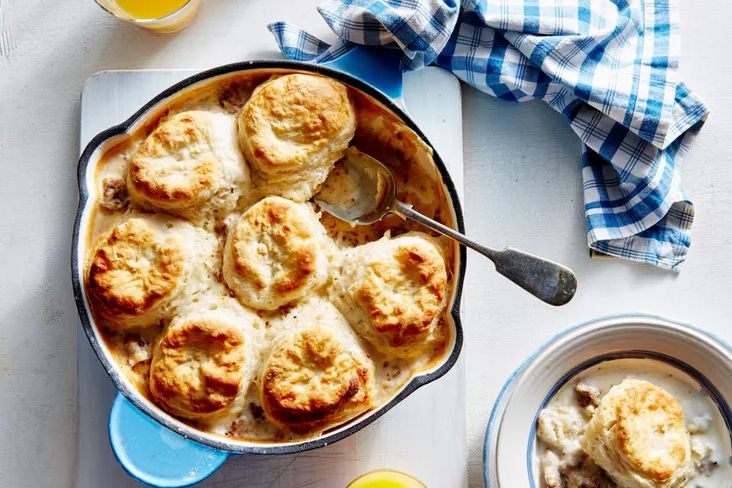
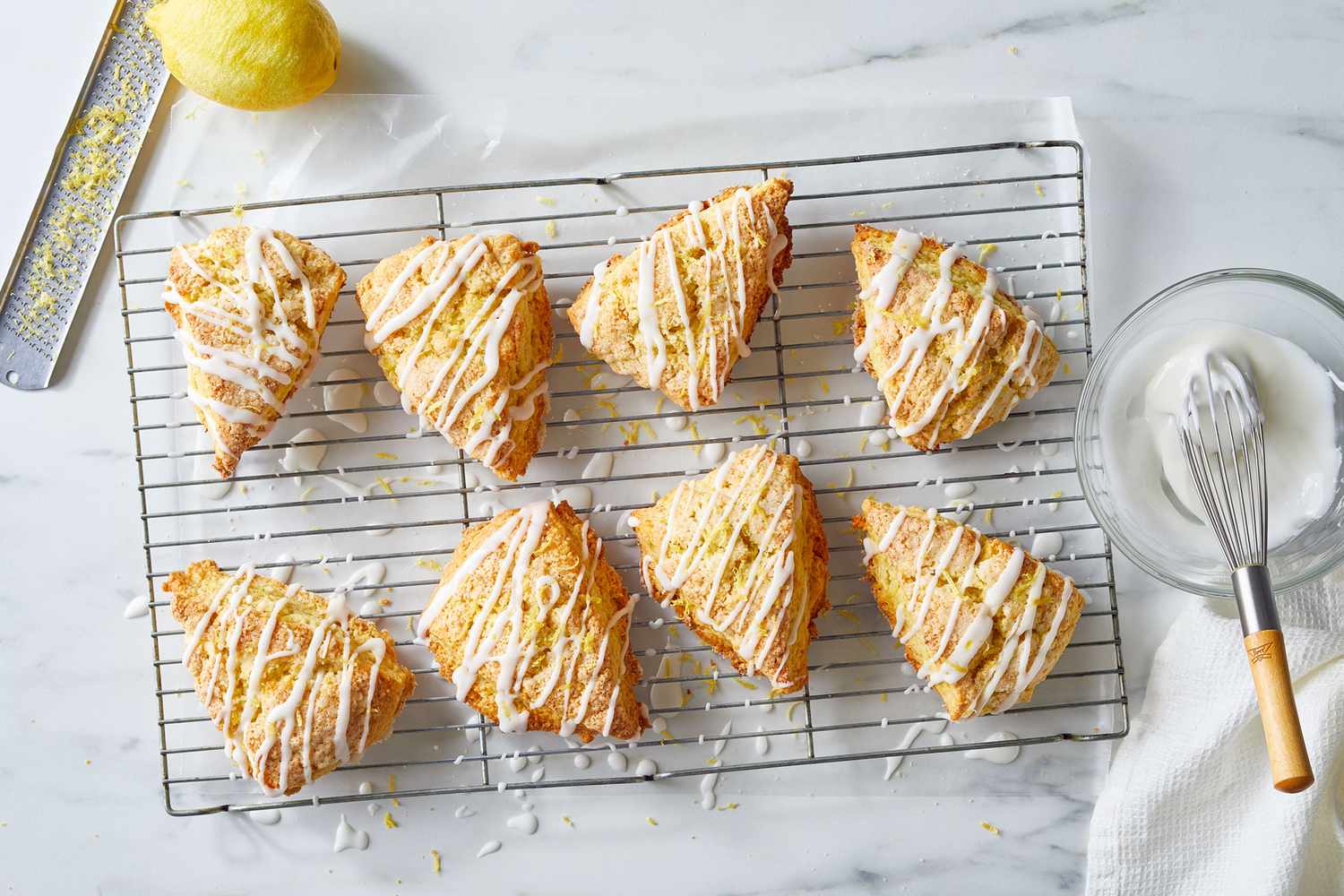
Baking was once a daily activity in most households. Bread, biscuits, pies, cakes, and cookies were made from scratch with ingredients that were always on hand.
Traditional baking relies on understanding ratios rather than precise recipes. A basic biscuit dough is roughly three parts flour, one part fat, one part liquid, plus leavening. Once you know this ratio, you can adjust for texture, flavor, and quantity without consulting a cookbook.
My grandmother’s pie crust was legendary in our family. The secret was not a special ingredient. It was the coldness of the butter, the gentleness of her touch, and the decades of practice that told her exactly when the dough was right.
Comforting Casseroles and Bakes
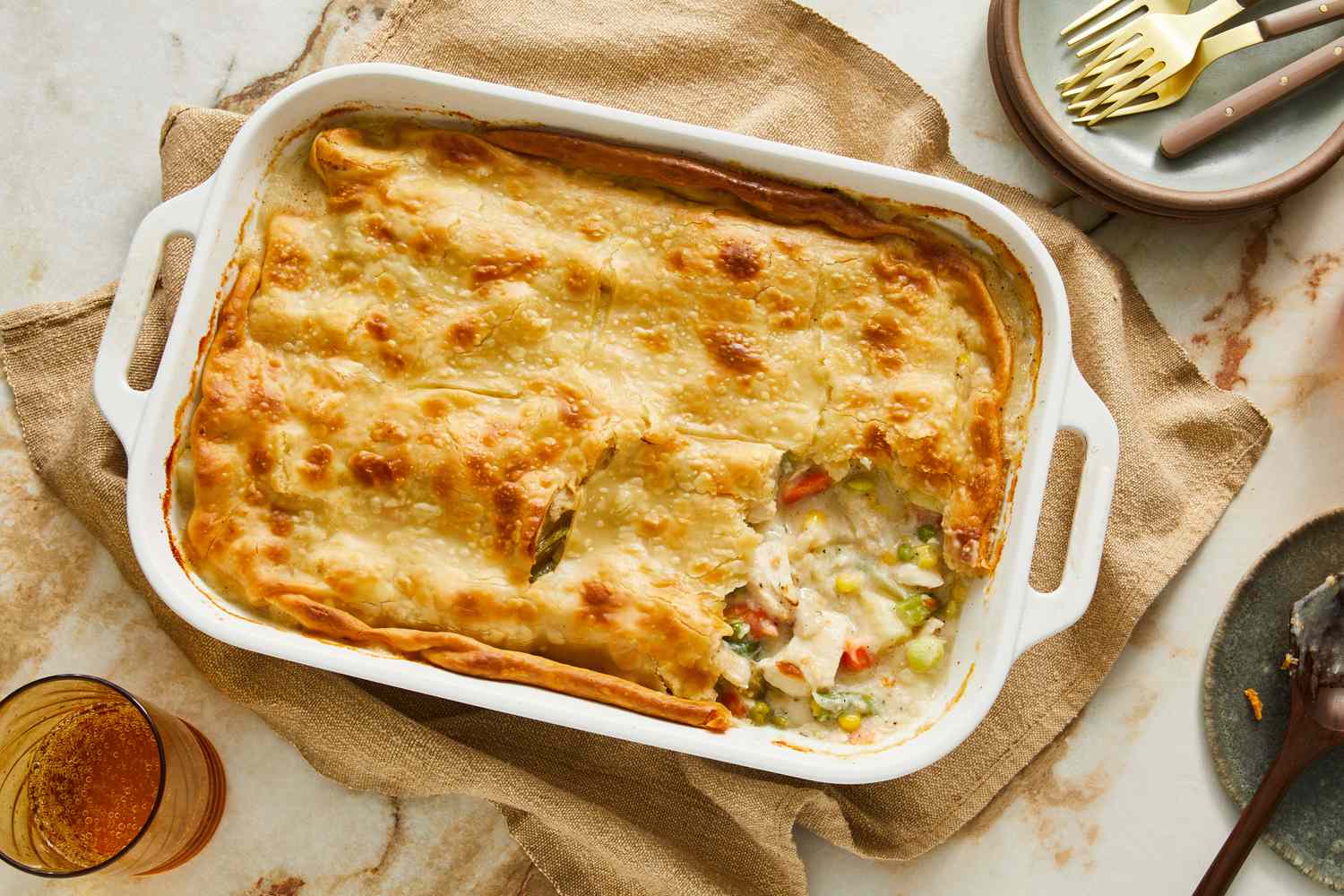
Casseroles combine protein, starch, and vegetables in a single baking dish, often bound with a sauce and topped with cheese or breadcrumbs. They are practical, economical, and deeply satisfying.
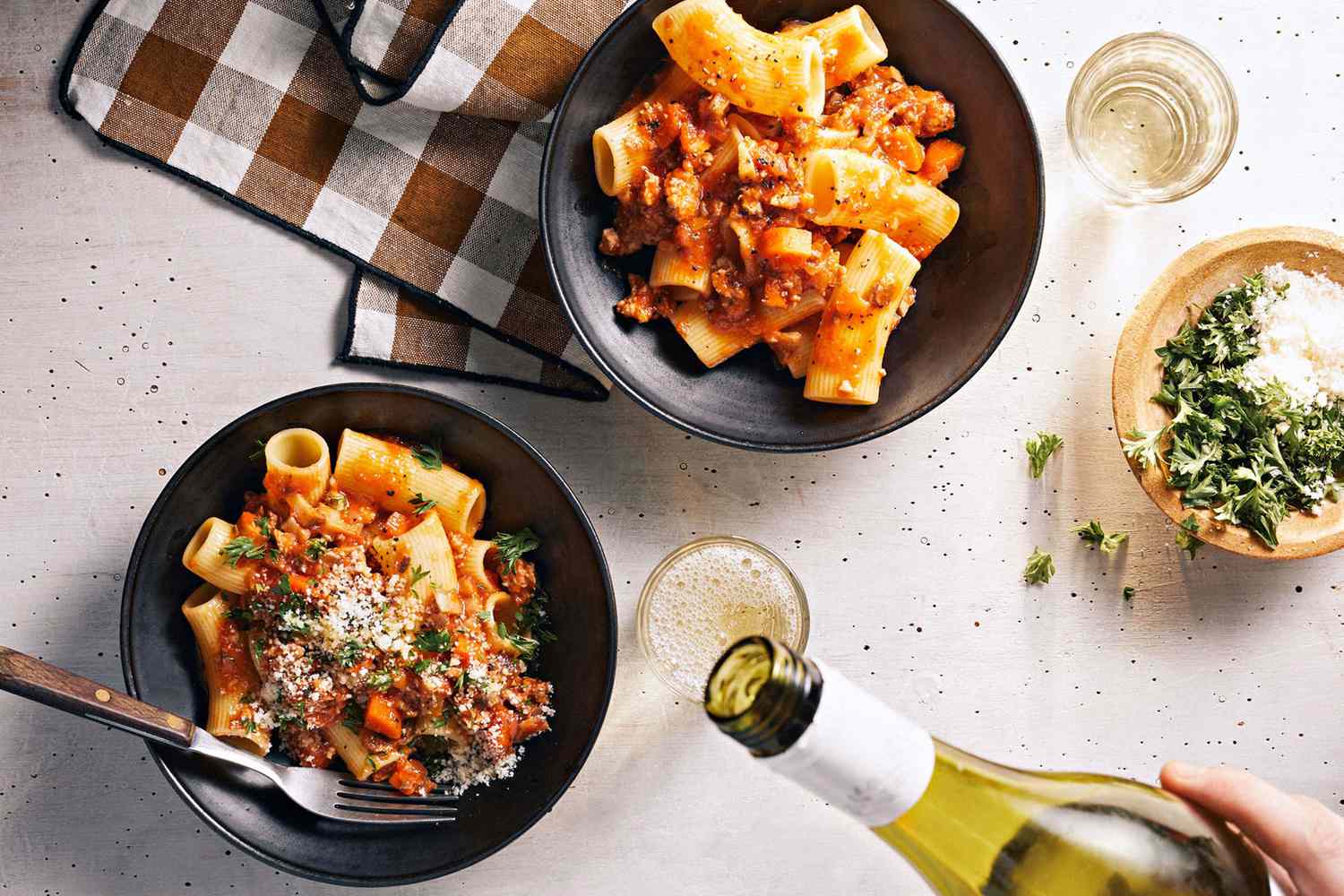
Tuna noodle casserole, shepherd’s pie, lasagna, and macaroni and cheese all fit this category. They are forgiving, scalable, and ideal for feeding families and gatherings.
Preserved and Pickled Foods
Before refrigeration, preservation was essential. Pickling, canning, fermenting, and drying extended the harvest and created flavors that fresh foods cannot replicate.
Traditional pickles, sauerkraut, kimchi, jams, and preserved meats are experiencing a revival as people rediscover their unique flavors and health benefits. Fermentation, in particular, connects to growing interest in gut health and probiotics.

Techniques That Define Traditional Cooking
Certain techniques appear repeatedly in home-style cooking across cultures. Mastering them opens up a world of traditional recipes.
Making Stock from Scraps
Traditional cooks never threw away bones, vegetable peels, or herb stems. They became stock. A pot of water, scraps, and time produces liquid gold that elevates every dish it touches.
I keep a bag in my freezer for vegetable scraps and bones. When it is full, I make stock. The result is free, better than store-bought, and connects me to a practice that virtually every grandmother on earth would recognize.
Rendering Fat
Animal fat was once the primary cooking medium in most households. Rendering fat from bacon, chicken skin, or beef trimmings produces flavorful cooking oil that would otherwise be discarded.
Rendered fat adds depth to dishes that vegetable oils cannot match. A spoonful of bacon fat transforms beans. Chicken schmaltz elevates mashed potatoes. This practice is economical and delicious.
Making Bread by Hand
Hand-kneaded bread develops a texture and character that machine-made bread lacks. The process is meditative, physical, and deeply satisfying.
Start with a simple no-knead recipe if you are intimidated. As you gain confidence, move to traditional kneaded breads. The transformation of flour, water, and yeast through your hands is one of cooking’s most rewarding experiences.
Preserving the Harvest
Canning, pickling, and fermenting are skills that connect you to seasonal rhythms and reduce food waste. A jar of homemade pickles or jam is a tangible achievement that lasts for months.
Begin with simple refrigerator pickles. Move to water-bath canning for jams and jellies. Explore fermentation with sauerkraut or kimchi. Each step builds confidence and capability.

Adapting Traditional Recipes for Modern Life
Heritage cooking does not require abandoning modern conveniences. The goal is to preserve the spirit while adapting the method.
Using Modern Appliances Wisely
A pressure cooker can reduce braising time dramatically without sacrificing quality. A stand mixer can knead bread while you do other tasks. A slow cooker can simmer stock overnight. These tools save time but should not replace understanding. Use them to support traditional techniques, not to bypass them entirely.
Scaling for Smaller Households
Traditional recipes were often designed for large families. Adapt by halving recipes, freezing portions, or repurposing leftovers creatively. A whole pot roast can become sandwiches, tacos, and soup over several days.
Substituting for Dietary Needs
Traditional recipes can often accommodate modern dietary requirements. Gluten-free flour blends work in many baked goods. Plant-based milks substitute in some applications. Cauliflower mash replaces potatoes for lower-carb diets. The key is understanding what the original ingredient does and finding a substitute that performs a similar function.
Documenting Family Recipes
If your family recipes exist only in memory, write them down. Interview the relatives who make them. Record not just ingredients and steps but also the stories, the occasions, and the variations. These documents become family treasures.
I spent a weekend with my mother recording her recipes. We measured as she cooked, capturing proportions she had never quantified. The result is a handwritten book that my children will inherit, preserving not just the recipes but the connection to their great-grandmother.
Common Mistakes When Cooking Traditional Recipes
Even with the best intentions, modern cooks often struggle with heritage recipes.
Following Modern Expectations of Speed
Traditional recipes often require time that feels excessive by modern standards. Rushing them produces inferior results. If you cannot commit the necessary time, choose a different recipe rather than cutting corners.
Using Inferior Substitutions
Some substitutions work. Others destroy the dish. Using low-fat milk in a cream sauce that requires whole milk produces a thin, disappointing result. Using dried herbs when fresh are specified changes the character entirely. Understand which substitutions are acceptable and which are not.
Neglecting Seasoning
Traditional recipes often assume the cook knows how to season. Instructions may say “salt to taste” without specifying amounts. This requires tasting and adjusting, a skill that develops with practice. Do not be afraid of salt. It is the difference between bland and delicious.
Overcomplicating
Traditional cooking is often simple. A few quality ingredients, treated with respect, produce better results than elaborate preparations with mediocre components. Do not add unnecessary steps or ingredients. Trust the recipe’s simplicity.
Ignoring Rest and Recovery
Meat needs to rest after cooking. Bread needs to cool before slicing. Soups taste better the next day. These waiting periods are part of the recipe, not optional extras.
Practical Tips for Building a Home-Style Cooking Practice
If you want to incorporate more traditional cooking into your life, here are practical steps.
Start with one family recipe. Choose a dish that has meaning for you. Learn to make it well. This single recipe becomes a foundation that builds confidence and connects you to heritage.
Invest in basic, quality tools. A heavy Dutch oven. A sharp knife. A wooden spoon. A rolling pin. These simple tools, well-made, will last decades and serve most traditional cooking needs.
Build a pantry of staples. Flour, sugar, salt, baking powder, dried beans, rice, pasta, canned tomatoes, good oil, and vinegar. With these, you can make a surprising variety of traditional meals without last-minute shopping.
Cook with others. Traditional cooking was often communal. Invite family or friends to cook together. The process becomes as rewarding as the result.
Embrace imperfection. Your first attempt at a traditional recipe will not match your grandmother’s. That is fine. She had decades of practice. Cook with love, learn from each attempt, and trust that you will improve.
Preserve what you learn. Write down recipes as you master them. Note your modifications and observations. Create your own family cookbook that future generations can inherit.
Frequently Asked Questions
Can traditional recipes be healthy?
Yes. Many traditional diets are inherently balanced, emphasizing whole foods, vegetables, and moderate portions. The key is choosing recipes that reflect traditional eating patterns rather than modern adaptations that add excessive fat, sugar, or salt.
How do I learn a recipe that was never written down?
Spend time cooking alongside the person who knows it. Observe carefully. Ask questions. Take notes. Measure as you go to capture proportions. Most importantly, ask about the stories and occasions associated with the dish. Understanding the context deepens your connection to the recipe.
Are traditional cooking techniques too time-consuming for modern life?
Some are, but many can be adapted. A slow cooker can handle long braising while you are at work. Weekend batch cooking can produce traditional meals that reheat well. Choose techniques that fit your schedule rather than abandoning traditional cooking entirely.
What if my family does not have traditional recipes?
Every culture has traditional cooking. Explore your heritage, your partner’s heritage, or simply the traditions of a cuisine you love. The goal is not genetic inheritance but meaningful connection to food made with care and history.
How do I know if a traditional recipe is authentic?
Authenticity is complex. Recipes evolve over time and vary by region and family. Rather than seeking a single authentic version, understand the principles and common variations. Cook the version that resonates with you and your family.
Can I modernize traditional recipes without losing their character?
Yes, with care. Understand what makes the recipe special before changing it. Preserve the core technique and flavor profile. Modernize around the edges, perhaps by using a pressure cooker for braising or substituting a dietary ingredient. The soul of the recipe should remain intact.
Final Thoughts
My grandmother’s pie crust recipe died with her in a sense. No one ever captured it exactly. But what I learned from her was more than a recipe. It was an approach to cooking that valued patience, intuition, and care. When I make pie now, I do not replicate her crust. I honor her method. I feel the dough. I trust my senses. I cook with love.
Traditional and home-style recipes are not about preserving the past in amber. They are about carrying forward wisdom that remains relevant. In a world of fast food and disposable cooking, the slow, intentional preparation of a meal from heritage recipes is a radical act of care. It nourishes not just the body but the spirit, connecting us to the generations who cooked before us and the generations who will cook after.
Start with one recipe. Make it your own. Pass it forward. That is how traditions stay alive