A few years ago, I noticed something strange about my cooking routine. Preparing food itself wasn’t the hardest part. The real problem came after the meal—a sink full of dirty dishes.
Pans, bowls, cutting boards, spoons, and plates piled up quickly. Even simple recipes sometimes required multiple pots and utensils, which made cooking feel like a bigger task than it should be.
Eventually, I started looking for a better solution. That’s when I discovered the power of one-pot meals.
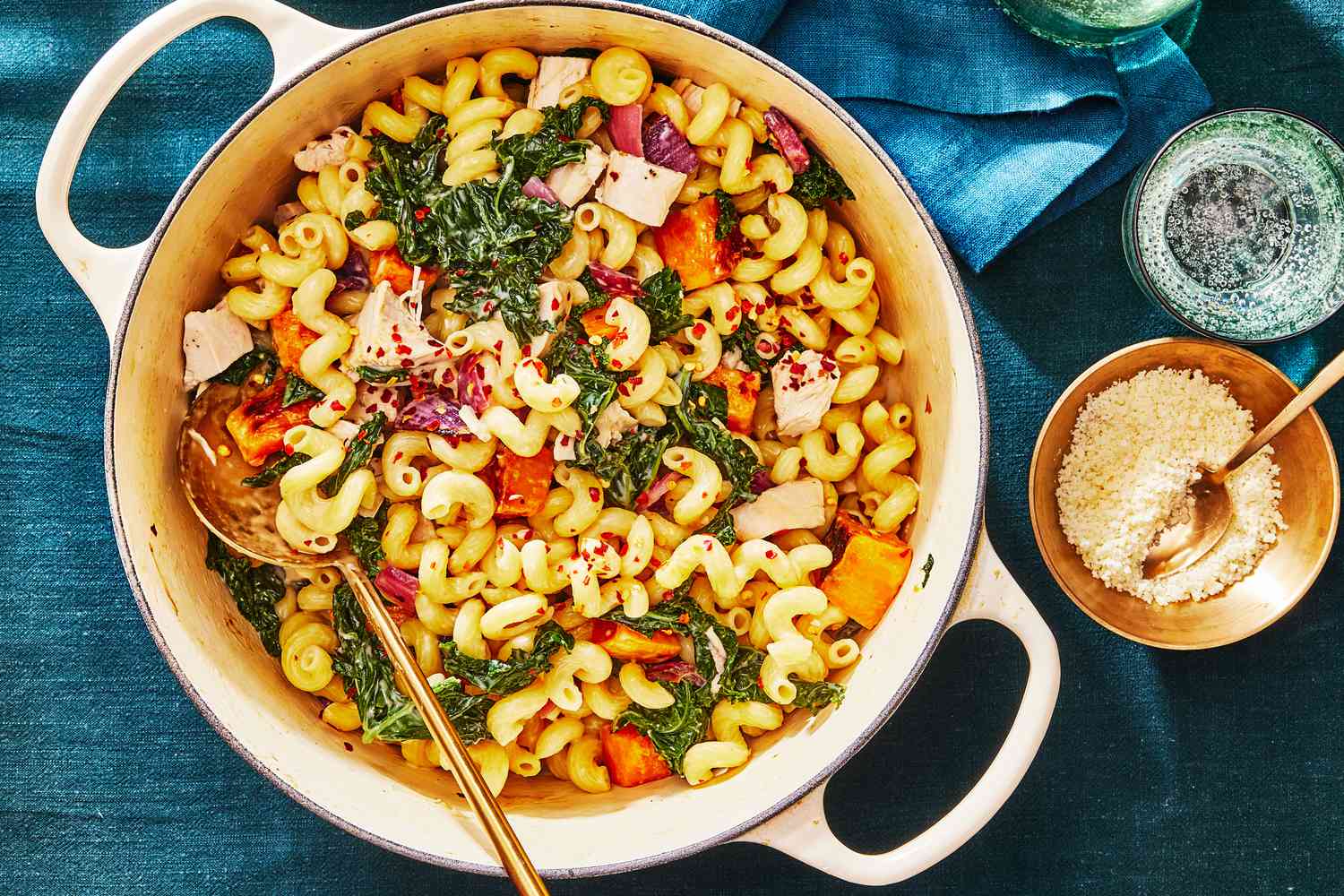
These meals are exactly what they sound like: recipes where most (or all) ingredients cook in a single pot or pan. Not only do they save time, but they also dramatically reduce kitchen cleanup.
After experimenting with different recipes, I realized that one-pot cooking is one of the easiest ways to make quick, satisfying meals without turning your kitchen into a mess.
In this guide, I’ll share practical tips, beginner-friendly recipes, and simple strategies for making delicious one-pot meals with minimal cleanup.
Why One-Pot Meals Are Perfect for Busy People
One-pot cooking isn’t just convenient—it also solves several common cooking problems.
Here are some of the biggest advantages I discovered.
Less Cleanup
Using only one pot or pan means far fewer dishes to wash afterward.
Faster Cooking
Many one-pot recipes allow ingredients to cook together, saving preparation time.
Better Flavor
When ingredients cook together, their flavors blend naturally, often creating richer and more satisfying meals.
Beginner-Friendly
One-pot recipes are usually simpler because they involve fewer steps and less equipment.
The Basics of Successful One-Pot Cooking
After trying dozens of one-pot recipes, I noticed a pattern. Most successful dishes follow a simple structure.
Step 1: Start With Aromatics
Aromatics create the base flavor of the dish.
Common examples include:
-
Garlic
-
Onion
-
Ginger
Cooking these ingredients first releases their flavor into the oil.
Step 2: Add Protein or Main Ingredients
Next, add the main ingredient such as:
-
Chicken
-
Beans
-
Lentils
-
Tofu
-
Eggs
Cooking the protein early helps build flavor.
Step 3: Add Vegetables
Vegetables add nutrients, color, and texture.
Good options include:
-
Carrots
-
Spinach
-
Bell peppers
-
Tomatoes
-
Broccoli
Step 4: Add Liquids or Grains
Many one-pot meals include ingredients like:
-
Rice
-
Pasta
-
Broth
-
Coconut milk
These absorb flavor as the dish cooks.
Step 5: Simmer and Finish
Once everything is combined, the dish usually simmers until ingredients are cooked and flavors blend together.
6 Easy One-Pot Meals You Can Make at Home
These recipes are simple, beginner-friendly, and require minimal cleanup.
1. One-Pot Vegetable Rice
This dish is quick, filling, and great for using leftover vegetables.
Ingredients
-
1 cup rice
-
2 cups water or broth
-
Mixed vegetables
-
1 onion
-
Garlic
-
Salt and spices
-
Cooking oil
Instructions
-
Heat oil in a pot and sauté onion and garlic.
-
Add vegetables and cook for a few minutes.
-
Add rice and water.
-
Season and bring to a boil.
-
Reduce heat and cook until rice is tender.
2. One-Pot Creamy Pasta
A surprisingly simple dinner option.
Ingredients
-
1 cup pasta
-
2 cups water or broth
-
1 cup milk
-
Garlic
-
Vegetables
-
Cheese (optional)
Instructions
-
Add all ingredients to a pot.
-
Bring to a boil.
-
Stir occasionally until pasta is cooked and sauce thickens.
Everything cooks together in the same pot.
3. Simple Lentil Stew
This recipe is nutritious and budget-friendly.
Ingredients
-
1 cup lentils
-
1 chopped onion
-
1 tomato
-
Garlic
-
Turmeric
-
Salt and pepper
-
3 cups water
Instructions
-
Add all ingredients to a pot.
-
Bring to a boil.
-
Simmer for about 20–25 minutes.
Serve with bread or rice.
4. Chicken and Vegetable Skillet
A quick one-pan dinner.
Ingredients
-
Chicken pieces
-
Mixed vegetables
-
Garlic
-
Olive oil
-
Salt and pepper
Instructions
-
Heat oil in a skillet.
-
Cook chicken until browned.
-
Add vegetables and garlic.
-
Cook until everything is tender.
5. One-Pot Egg Fried Rice
A great way to use leftover rice.
Ingredients
-
Cooked rice
-
1 egg
-
Vegetables
-
Soy sauce
-
Oil
Instructions
-
Heat oil in a pan.
-
Scramble the egg.
-
Add vegetables and rice.
-
Stir in soy sauce and cook briefly.
6. Simple Chickpea Curry
This recipe is both easy and flavorful.
Ingredients
-
1 cup cooked chickpeas
-
1 onion
-
1 tomato
-
Garlic
-
Curry spices
-
1 cup water
Instructions
-
Cook onion and garlic in a pot.
-
Add tomato and spices.
-
Add chickpeas and water.
-
Simmer for 10–15 minutes.
Serve with rice or bread.
Practical Tips for Minimal Cleanup Cooking
Over time, I discovered several small habits that reduce kitchen mess.
Use fewer utensils
Try stirring with the same spoon instead of using multiple tools.
Choose the right pot size
Using a pot that’s too small can cause spills and extra cleaning.
Line baking trays
If a recipe uses the oven, lining trays with parchment paper can make cleanup easier.
Clean while cooking
Washing small items while the food cooks prevents dishes from piling up.
Common One-Pot Cooking Mistakes
Avoiding these mistakes helps ensure better results.
Adding everything at once
Different ingredients cook at different speeds. Add them in stages when necessary.
Using too little liquid
Grains like rice or pasta require enough liquid to cook properly.
Not stirring occasionally
Some dishes need occasional stirring to prevent sticking.
Overcrowding the pot
Too many ingredients can prevent even cooking.
FAQs About One-Pot & Minimal Cleanup Meals
1. What are one-pot meals?
One-pot meals are recipes where most ingredients cook together in a single pot or pan, reducing both cooking time and cleanup.
2. Are one-pot meals healthy?
Yes. When prepared with balanced ingredients like vegetables, protein, and whole grains, they can be very nutritious.
3. Can beginners cook one-pot meals easily?
Absolutely. Many one-pot recipes are simple and require minimal cooking experience.
4. What foods work best for one-pot cooking?
Rice, pasta, lentils, beans, vegetables, and chicken are commonly used ingredients for one-pot meals.
5. How can I prevent food from sticking in one-pot meals?
Use enough oil or liquid, cook on appropriate heat, and stir occasionally when needed.
Conclusion: Cook More, Clean Less
Cooking at home doesn’t have to mean spending extra time washing dishes. One-pot meals prove that you can prepare delicious, satisfying food while keeping your kitchen clean and organized.
By using simple ingredients, cooking everything in a single pot, and following a few practical tips, you can save time, reduce stress, and make home cooking far more enjoyable.
If you’re someone who wants homemade meals without the hassle of complicated cleanup, start experimenting with one-pot recipes. Over time, you’ll discover that simple cooking often produces some of the most comforting and flavorful meals.