Cooking at home can be simple, enjoyable, and rewarding when you know the right tips and techniques. Whether you’re a beginner or just looking to improve efficiency, understanding basic kitchen skills, smart hacks, and practical guides can make meal preparation faster, healthier, and more fun.
This guide shares essential cooking tips, kitchen organization strategies, and practical techniques to help you become confident and efficient in your kitchen.
Why Cooking Tips and Guides Matter
Understanding basic cooking principles benefits you in several ways:
-
Saves time: Efficient techniques reduce prep and cooking time.
-
Reduces waste: Proper storage and planning keep food fresh longer.
-
Enhances flavor: Simple tricks elevate your meals without extra effort.
-
Boosts confidence: Knowing kitchen skills makes cooking less stressful.
-
Supports healthy eating: Homemade meals give full control over ingredients.
Even a few small tips can transform your daily cooking experience.
1. Essential Kitchen Tools
Having the right tools makes cooking easier and more enjoyable.
Must-Have Tools:
-
Chef’s knife: Versatile for chopping, slicing, and dicing.
-
Cutting board: Use separate boards for vegetables and meat to avoid cross-contamination.
-
Measuring cups and spoons: Ensure accurate ingredient amounts.
-
Non-stick pan: Ideal for eggs, stir-fries, and sautéing.
-
Saucepan and stockpot: Essential for soups, stews, and boiling.
-
Mixing bowls and spatulas: For preparation and mixing ingredients.
A well-equipped kitchen streamlines meal preparation and reduces frustration.
2. Time-Saving Cooking Tips


Quick Tips:
-
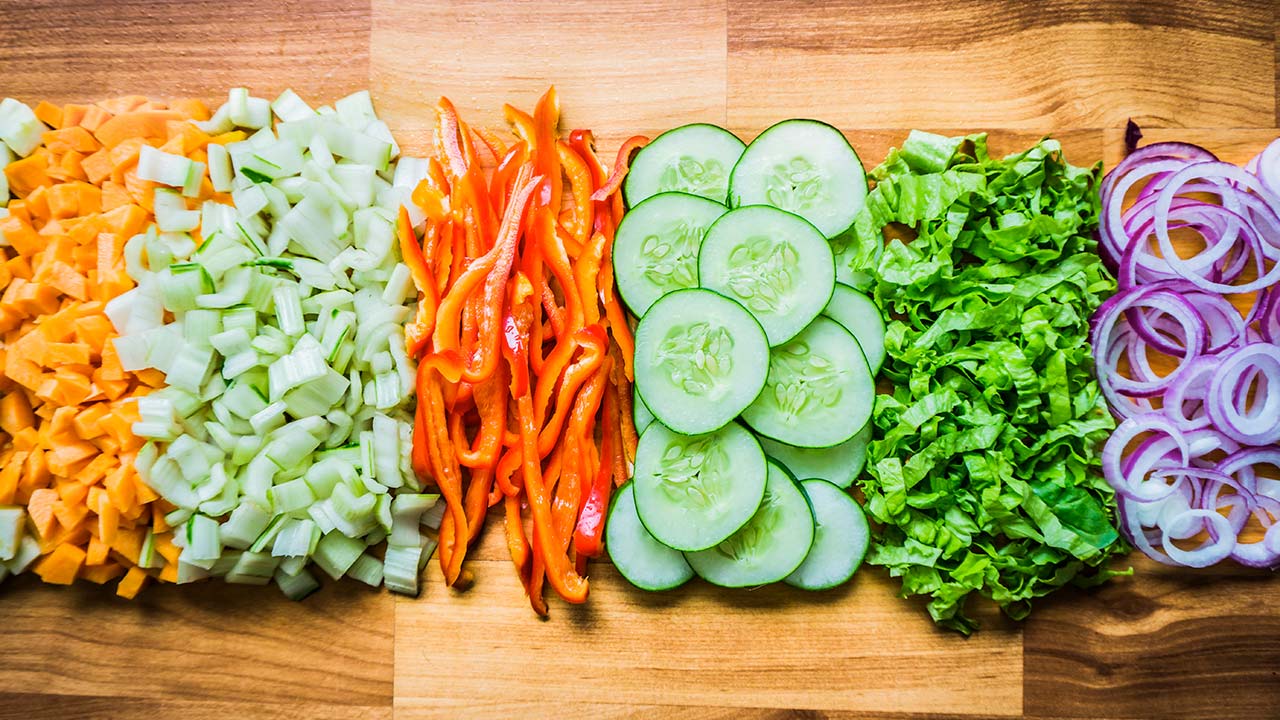
Prep ingredients in advance: Wash, chop, and portion vegetables and proteins ahead of time.
-
Batch cook staples: Cook grains, pasta, or beans in bulk for multiple meals.
-
Use one-pot or sheet-pan meals: Reduce cleanup and speed up cooking.
-
Cook in larger quantities: Leftovers can be repurposed for lunch or dinner.
-
Keep frequently used ingredients accessible: Makes meal assembly faster.
Even a few minutes of planning can save hours during the week.
3. Flavor Enhancement Tricks
Good flavor doesn’t require expensive ingredients.
-
Season early and taste often: Add salt, pepper, and spices gradually.
-
Use fresh herbs: Basil, parsley, cilantro, or thyme add bright flavors.
-
Citrus and vinegar: Lemon, lime, or a splash of vinegar enhances taste.
-
Garlic and onion: Natural flavor boosters that are affordable and versatile.
-
Roasting vegetables: Caramelizes natural sugars for a richer taste.
Small adjustments can elevate simple meals into something delicious.
4. Cooking Techniques Every Home Cook Should Know
Basic Techniques:
-
Sautéing: Quick cooking in a small amount of oil for vegetables, meat, or tofu.
-
Roasting: Baking vegetables or proteins at high heat for flavor and texture.
-
Boiling/Simmering: Essential for pasta, grains, soups, and stews.
-
Grilling: Adds smoky flavor and reduces fat in meats.
-
Steaming: Preserves nutrients in vegetables.
Mastering these techniques increases versatility and confidence in the kitchen.
5. Smart Kitchen Organization

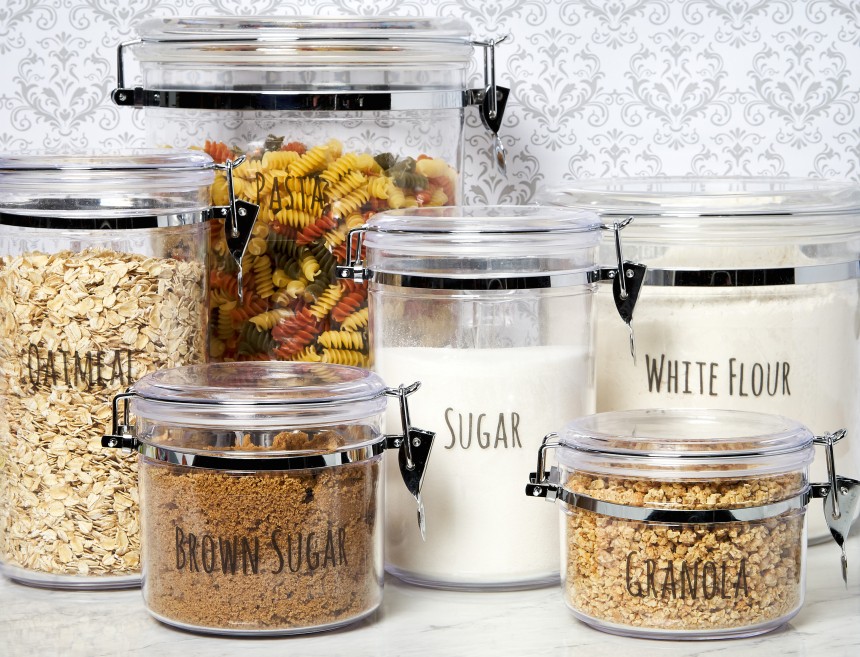

An organized kitchen improves efficiency:
-
Store ingredients in clear containers or labeled jars.
-
Keep frequently used items within reach.
-
Group similar items together: spices, grains, and canned goods.
-
Clean as you cook to maintain a tidy workspace.
A well-organized kitchen saves time and reduces stress.
6. Storage and Food Safety Tips
Proper storage maintains freshness and prevents waste:
-
Refrigerate perishables immediately after grocery shopping.
-
Use airtight containers for grains, cereals, and leftovers.
-
Freeze leftovers to extend shelf life.
-
Rotate older items to use them before they expire.
-
Separate raw meat from vegetables to prevent cross-contamination.
Following these practices keeps your food safe and reduces unnecessary waste.
7. Easy Meal Prep Strategies
-
Plan 3–4 meals ahead and prep ingredients in advance.
-
Portion out snacks and fruits for quick grab-and-go options.
-
Pre-cook proteins like chicken, beans, or tofu for faster assembly.
-
Keep a few frozen vegetables ready for stir-fry or soups.
-
Store pre-chopped vegetables in airtight containers in the fridge.
Meal prep makes busy weekdays smoother and healthier.
8. Frequently Asked Questions (FAQs)
1. What are the easiest ways to improve my cooking skills?
Practice basic techniques like sautéing, roasting, boiling, and grilling. Follow simple recipes and gradually experiment with flavors and spices.
2. How can I save time in the kitchen?
Prep ingredients ahead, batch cook staples, and use one-pot or sheet-pan meals to minimize cooking and cleaning time.
3. What’s the best way to organize my kitchen?
Keep frequently used items accessible, store similar items together, label containers, and clean as you cook.
4. How do I make meals more flavorful without extra calories?
Use fresh herbs, spices, citrus juice, and roasted vegetables instead of excessive salt, sugar, or fat.
5. How can I reduce food waste while cooking?
Plan meals, store leftovers properly, repurpose ingredients, and rotate pantry items to use older products first.
Conclusion: Cook Smarter, Not Harder
Cooking doesn’t have to be intimidating. With basic skills, smart organization, and simple techniques, anyone can create delicious, nutritious meals.
Focus on efficiency, flavor, and proper storage to make your kitchen experience enjoyable and stress-free. Small improvements—like batch cooking, proper planning, and seasoning wisely—can transform your meals and help you feel confident in your cooking abilities.