Cooking healthy and satisfying meals doesn’t need to be expensive. Budget-friendly cooking focuses on using affordable ingredients, reducing waste, and creating meals that are both nutritious and flavorful. With a little planning, smart shopping, and creative recipes, you can feed yourself and your family without overspending.
This guide explores strategies for saving money in the kitchen, easy recipes, and practical tips to make budget-friendly cooking simple and enjoyable.
Why Budget-Friendly Cooking Matters
Eating well on a budget has several advantages:
-
Saves money: Avoid expensive takeout and processed foods.
-
Healthier meals: Homemade meals give you control over ingredients.
-
Reduces waste: Smart planning ensures all ingredients are used efficiently.
-
Supports family meals: Affordable options make it easier to cook for everyone.
-
Encourages creativity: Using versatile ingredients leads to innovative dishes.
Budget-friendly cooking isn’t about sacrificing taste—it’s about making smart choices.
1. Plan Your Meals
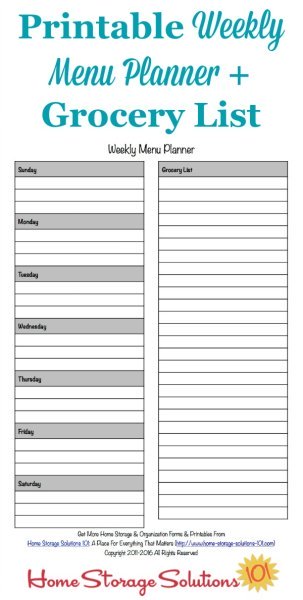


Planning is the cornerstone of budget-friendly cooking.
Tips:
-
Create a weekly meal plan with breakfast, lunch, dinner, and snacks.
-
Base meals around affordable staples like rice, beans, pasta, and seasonal vegetables.
-
Check your pantry before shopping to avoid duplicates.
-
Plan meals using overlapping ingredients to reduce waste.
Even a short 15–20 minute planning session can save time and money during the week.
2. Shop Smart
Buying the right ingredients at the right price makes a big difference.
Smart Shopping Tips:
-
Buy seasonal produce for freshness and affordability.
-
Use frozen vegetables and fruits—they are nutritious and last longer.
-
Choose store brands when possible—they are often cheaper than name brands.
-
Buy grains, beans, and nuts in bulk to save money in the long run.
-
Look for sales, discounts, or local farmer’s markets.
Being strategic about shopping helps you stick to your budget while still getting quality ingredients.
3. Cook in Batches


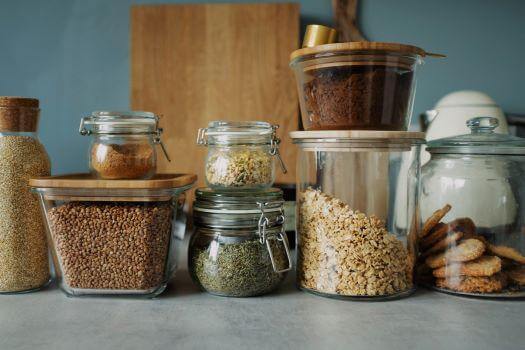
Batch cooking saves both time and money.
How to Batch Cook:
-
Cook large quantities of rice, pasta, or grains for multiple meals.
-
Make soups, stews, or chili in bulk and freeze portions.
-
Roast vegetables to use in different recipes throughout the week.
Batch cooking ensures you always have ready-to-eat meals, reduces waste, and allows you to buy ingredients in bulk.
4. Use Affordable Protein Sources
Protein is essential but doesn’t need to be expensive.
Budget-Friendly Proteins:
-
Eggs: Versatile and nutritious.
-
Beans and lentils: High in fiber and protein, perfect for soups, stews, and salads.
-
Canned tuna or sardines: Affordable, shelf-stable, and convenient.
-
Chicken thighs or drumsticks: Cheaper than breast and flavorful.
-
Tofu: Affordable plant-based protein option.
Combine these proteins with grains and vegetables for balanced and filling meals.
5. One-Pot and One-Pan Meals
One-pot meals are convenient and reduce cleanup, making them ideal for budget cooking.
Examples:
-
Vegetable and Bean Chili: Nutritious, filling, and inexpensive.
-
Chicken and Rice Skillet: Use leftover chicken and frozen vegetables.
-
Pasta Primavera: Pasta with seasonal vegetables and tomato sauce.
One-pot meals stretch ingredients, reduce cooking time, and maximize flavor.
6. Repurpose Leftovers



Leftovers can become new meals:
-
Roasted vegetables → soup or pasta topping.
-
Cooked rice → fried rice, rice salad, or grain bowl.
-
Leftover chicken → tacos, sandwiches, or stir-fry.
Repurposing leftovers reduces waste and stretches your budget further.
7. Budget-Friendly Meal Ideas
Breakfast
-
Oatmeal with banana and cinnamon
-
Scrambled eggs with spinach and tomatoes
-
Smoothie with frozen berries and yogurt
Lunch
-
Lentil soup with carrots and celery
-
Chickpea salad with cucumber and tomato
-
Rice and bean burrito bowl with salsa
Dinner
-
One-pan roasted chicken with potatoes and broccoli
-
Vegetable stir-fry with tofu and brown rice
-
Spaghetti with tomato sauce and roasted vegetables
Snacks
-
Popcorn, carrot sticks with hummus, or boiled eggs
8. Tips to Make Budget Cooking Easier
-
Use versatile ingredients in multiple recipes.
-
Cook seasonally to save money and enjoy fresher produce.
-
Limit processed foods; they are often more expensive and less nutritious.
-
Prepare simple meals to reduce cooking time and complexity.
-
Store leftovers properly to extend shelf life.
Small changes add up, helping you eat well without overspending.
Frequently Asked Questions (FAQs)
1. Can healthy meals be budget-friendly?
Yes. By using staples like beans, grains, seasonal vegetables, and affordable proteins, you can eat well without spending much.
2. How can I reduce food waste?
Plan meals, store leftovers properly, and repurpose ingredients into new dishes.
3. Are frozen vegetables a good option?
Yes. They are picked at peak ripeness, nutritious, and last longer than fresh produce.
4. How do I save money while cooking for a family?
Buy ingredients in bulk, cook in batches, and use versatile ingredients across multiple meals.
5. What are easy meals for budget cooking?
One-pot meals like chili, stir-fried rice, pasta dishes, and roasted vegetable dishes are quick, filling, and affordable.
Conclusion: Delicious Meals on a Budget
Budget-friendly cooking is about planning, smart shopping, and using versatile ingredients efficiently. You can create nutritious, flavorful meals without spending a fortune.
Start with simple recipes, batch cook staples, and repurpose leftovers to stretch your ingredients. Over time, budget-friendly cooking becomes a sustainable habit, keeping both your wallet and your family happy.